Table of Contents
ToggleWhen Final Fantasy hit the Nintendo 64, it was a watershed moment for console RPGs in the West. Final Fantasy 64 represented something unprecedented: a mainline Final Fantasy title built from the ground up for 3D hardware, pushing the cartridge-based N64 to its limits. For gamers who lived through the late ’90s, this game was a revelation, expansive worlds, real-time exploration, a genuinely cinematic narrative, and the kind of character-driven storytelling that defined a generation. Even today, it remains one of the most discussed and celebrated RPGs on the platform. Whether you’re revisiting it after decades or discovering it for the first time in 2026, Final Fantasy 64 deserves the attention it commanded on day one.
Key Takeaways
- Final Fantasy 64 was the first mainline Final Fantasy title built from the ground up for 3D hardware, proving the series could thrive on console with fully realized environments and real-time exploration.
- The N64’s cartridge limitations forced Square to compress assets creatively, resulting in a tighter, more focused game design that compensated with exceptional art direction, atmospheric visuals, and virtually nonexistent load times.
- The story explores ambitious themes of environmental destruction and corporate corruption through a personal narrative about an unlikely hero rising to challenge the Shinra Electric Power Company’s exploitation of the planet’s Mako energy.
- A strategic party composition system with eight playable characters, Materia-based customization, and character-specific Limit Breaks rewards both experimentation and skillful execution in turn-based combat.
- Final Fantasy 64’s legacy fundamentally shaped modern RPG design through its Limit Break system, environmental storytelling, and influence on how Japanese RPGs localized for Western audiences, establishing the franchise’s multimedia presence.
- In 2026, emulation remains the most practical way to experience Final Fantasy 64, offering stable 60 FPS performance, graphics enhancements, and quality-of-life improvements that make this 30-year-old classic more accessible than original hardware.
What Is Final Fantasy 64?
Final Fantasy 64 is the ninth mainline entry in the Final Fantasy series and the first to feature a three-dimensional world rendered on console hardware. Unlike the sprite-based, top-down perspective of earlier entries, this game thrust players into fully realized 3D environments where they could move freely, interact with NPCs in real-time, and experience combat that blended turn-based mechanics with dynamic positioning.
The game is known for its ambitious scope, intricate party system, and a story that weaves together themes of environmental destruction, corporate corruption, and personal redemption. Its impact on the franchise can’t be overstated, it proved that Final Fantasy could thrive in 3D and set the template for future iterations. For those interested in the broader evolution of the series, Final Fantasy XIV Archives covers more recent chapters of the franchise.
On the technical side, Final Fantasy 64 was a technical marvel for 1997. It delivered massive environments, detailed character models, and dialogue sequences that felt cinematic without relying on full-motion video. The game shipped on two cartridges in North America, a rarity that underscored just how much content Square crammed into this title.
Development History And Release Details
From Concept To Launch
Development began in the mid-1990s when Square was at a crossroads. The PlayStation’s 32-bit power was attracting developers, and Nintendo’s N64 was still in the planning stages. Square took a calculated risk: they’d support the N64 with a flagship title while also exploring PlayStation opportunities.
The director and producer brought together a team that understood both the technology’s limitations and its potential. They wanted to create something that felt as epic as the PlayStation’s offerings but optimized for cartridge storage. The result was a scaled-down version of what they’d originally envisioned, but paradoxically, the constraints made the game tighter and more focused.
Development took roughly three years from greenlight to final build. According to Gematsu, the team iterated heavily on combat systems and the party rotation mechanic, trying to balance accessibility for casual players with depth for veterans. The game launched in Japan in July 1997 and hit North America in September of the same year, with a European release following in 1998.
Platform Challenges And Cartridge Limitations
The N64’s cartridge format imposed hard constraints that shaped nearly every design decision. Cartridges held far less data than CDs, forcing Square to be ruthless with compression and asset reuse. Full-quality audio became a luxury the team couldn’t always afford, and large cinematic sequences had to be pre-rendered or simulated through real-time graphics.
These limitations actually became design strengths. The game’s dungeons, while sometimes linear compared to PlayStation RPGs, were densely packed with secrets and environmental storytelling. Load times were virtually nonexistent, a massive advantage over disc-based competitors. The draw distance limitations meant fewer polygons on screen, but the art direction and use of fog effects created an atmospheric quality that still holds up today.
Square also had to rethink how they distributed the story. Rather than long cinematics, they relied on in-engine dialogue and character animation to convey narrative moments. This decision made interactions feel more integrated into gameplay rather than interruptions. Players experienced story while exploring, not in separate, pausable sequences.
When it came time to release the game internationally, they considered updating it for the Nintendo 64 DDK (Developer’s Disk Kit), but eventually kept the cartridge format intact. The cartridges used up to 32 MB of ROM, an enormous amount for 1997 hardware. The Nintendo 64 Archives covers other ambitious N64 titles that faced similar technical hurdles.
Story, Characters, And World Building
Main Narrative And Plot Themes
The story centers on an unnamed world facing ecological collapse due to unbridled industrial expansion. A megacorporation called Shinra Electric Power Company has been extracting a mysterious energy source called Mako from the planet’s core, draining it at an unsustainable rate. The planet itself is dying, and most of civilization remains willfully ignorant of the disaster unfolding beneath their feet.
The protagonist emerges as an unlikely hero, a man with connections to both the resistance movement and Shinra’s inner circle. His journey takes him from humble beginnings to commanding a ragtag group of rebels, and eventually to confronting the true source of the world’s corruption. Along the way, the narrative explores questions about the cost of progress, the limits of corporate power, and whether humanity can be saved from itself.
Themes of environmental destruction weren’t common in mainstream games at that time. Final Fantasy 64 arrived during a growing cultural awareness of climate issues, and its narrative struck a chord with players. The game didn’t present environmental collapse as a sci-fi abstraction, it made it personal, tying ecological destruction to human suffering in ways that felt genuine.
There’s also a deeper mystery woven throughout. Ancient civilizations, forgotten magic, and cosmic threats lurk beneath the surface narrative. Without spoiling the endgame, the story escalates significantly beyond corporate intrigue into something far more existential.
Playable Characters And Party Dynamics
The core cast consists of eight playable characters, though only four can be active in battle at any time. This limitation creates meaningful party composition decisions and encourages players to rotate members for different encounters.
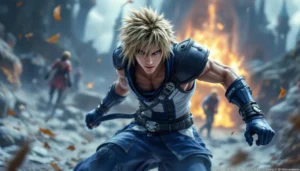
The lead character is a mercenary with Cloud-like styling (spiky hair, oversized sword) but a distinct personality underneath. He’s stoic but grows increasingly emotionally vulnerable as the narrative demands.
The female lead is a resistance fighter with a personal vendetta against Shinra. Her Limit Break, powerful special abilities unique to each character, focuses on ranged attacks and support magic.
The third major party member brings comic relief and unexpected depth. A self-proclaimed “Ladies’ Man,” he provides critical healing and buff spells, proving that support characters don’t need to be tragic to be valuable.
Other roster members include a red mage type, a devoted tank character, a summoner with devastating magic, and two secret characters unlocked late-game through side quests.
Each character has an individual Limit Break gauge that builds during combat. When filled, players execute character-specific special attacks. These aren’t random, they scale with positioning, character stats, and sometimes player input during the execution. A perfectly-timed button press can increase damage or unlock additional effects. The system rewarded skillful play while remaining accessible to players who just let attacks play out.
Gameplay Mechanics And Combat System
Turn-Based Battle System Breakdown
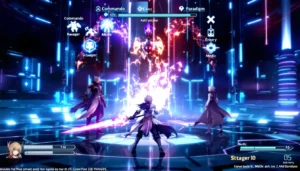
Final Fantasy 64 uses a turn-based Active Time Battle (ATB) system where character and enemy turns flow based on Speed stats and ability casting times. Unlike random-encounter systems that plagued earlier RPGs, most battles here occur in scripted locations, so you can mentally prepare and adjust your party.
The battlefield is a grid-based arena where positioning matters. Physical attackers benefit from being adjacent to enemies, while mages and ranged characters prefer distance. Moving characters costs a turn but provides tactical flexibility, you can pull squishier party members out of danger or position attackers for maximum effect.
Enemies use AI routines that respond to battle conditions. A boss might prioritize eliminating a healer if the party is focused on damage, or it might use group attacks if characters cluster together. This forces you to respect enemy intelligence rather than brute-forcing your way through battles.
A critical depth layer is the Materia system, equipment slots that augment character abilities. Different Materia combinations create distinct character builds, the same party member can shift from pure healer to hybrid support-damage dealer depending on Materia setup. This system encouraged experimentation and rewarded players who understood the mechanics.
Battle speed can be adjusted in menus, a quality-of-life feature that’s essential for anyone playing on modern hardware or emulators. Speeding up battles doesn’t break balance: it just respects player time.
Magic, Abilities, And Progression
Abilities come from three sources: innate skills tied to character development, Materia-granted spells, and Limit Breaks. The progression system allows flexibility without forcing a single optimal build.
Characters gain experience from battles and level up by 1 each. Stats increase with levels, but the growth rates vary by character, some are physical specialists, others gravitate toward magic. Stat growth caps are intentionally low compared to other RPGs, keeping everyone viable regardless of level.
Materia progression is where true depth lies. Materia grows stronger through use, cast a Fire spell dozens of times, and it eventually becomes Fire 2, then Fire 3. This encourages natural progression without level gating. Advanced Materia can be purchased from shops or found in hidden chests, and some can only be obtained through side quests.
Abilities unlock through story beats or optional Boss battles. For instance, defeating a superboss grants access to a unique Limit Break upgrade. This rewards exploration and grinding without mandating it.
The game supports complete character customization through equipment and Materia choices. A support-focused build emphasizes healing and buffs, while an aggressive setup maximizes critical chance and physical damage. There’s no single “best” loadout, context determines what works. Playing on harder difficulties (unlocked after beating the game) demands more strategic thinking, as damage falls off and enemy patterns become tighter.
Graphics, Sound, And Presentation
3D Innovation On The N64
Final Fantasy 64’s visuals were genuinely striking for 1997. The character models featured actual facial expressions, eyebrows moved, mouths formed words during dialogue. This was novel enough that it conveyed emotion without requiring voice acting (which the game largely lacks, by design).
Environments ranged from sprawling cities with visible depth to claustrophobic underground bases. Lighting effects enhanced atmosphere: torch-lit caves created shadow play on character faces, while sunset scenes bathed areas in amber tones. The fog layer that obscured distant terrain wasn’t a technical workaround, it became an aesthetic choice that served the game’s lonely, decaying-world atmosphere.
Character animations were meticulously detailed. Idle animations shifted weight and posture, combat animations had impact and telegraphed attacks clearly. A character casting a spell appeared to struggle with the magical force being channeled: physical attackers wound up visibly before swinging weapons.
The battle backdrops were pre-rendered 2D images, limitations of the cartridge meant fully 3D battle arenas weren’t feasible. But the artistic quality of these backdrops was exceptional, often more detailed than the real-time environments. This blend of 2D and 3D created a unique visual identity that set Final Fantasy 64 apart from PlayStation competitors.
Resolution and draw distance are by modern standards limiting, but the art direction compensates. Character designs are instantly iconic, enemy sprites are readable even at distance, and the overall presentation has aged better than many early 3D games that relied on polygon count over artistry.
Musical Score And Audio Design
Composer delivered a soundtrack that’s endured as one of the finest in gaming. The score balances orchestral arrangements with synth flourishes, matching the game’s blend of naturalistic storytelling and fantastical elements.
Certain themes have become synonymous with the franchise itself. The opening prelude sets expectations, hopeful yet tragic, a duality that permeates every major story beat. Boss themes escalate in intensity based on the encounter’s importance: the final boss theme is an overwhelming crescendo that matches the climactic narrative moment.
Environmental audio deepens immersion. Wind howls across desolate plains, machinery hums in industrial zones, and chiming bells mark peaceful villages. The audio cues enemy attacks before they connect, giving players a second’s warning to react.
Due to cartridge limitations, the soundtrack uses synthesized instruments rather than full orchestral recordings. This hasn’t aged poorly, the synth melodies are compositionally strong enough that instrumentation becomes secondary. Some players argue the synth aesthetic is part of the game’s charm, adding a slightly unreal quality that emphasizes the game’s science-fantasy setting.
Localization voice acting was minimal, reserved for a few key cutscenes. This decision preserved cartridge space and allowed more dialogue to be written since text required less storage than audio. Text-based dialogue feels dated now, but it encouraged imagination and let players read at their own pace.
Tips And Strategies For New Players
Essential Early-Game Tips
Don’t ignore the tutorial. The opening hours teach core mechanics through intentional story pacing. Rushing through them leaves you unprepared for later encounters. Take time to understand ATB timing, Materia equipping, and party rotation.
Grind moderately early, smartly late. The first 10 hours benefit from level 10-12 through exploration and random encounters. After that, grinding becomes optional unless tackling optional super-bosses. The game scales decently, so you won’t get permanently stuck from underleveling if you understand mechanics.
Materia setups matter more than levels. A level 20 party with optimized Materia outperforms a level 25 party with random equipment. Spend time in menus understanding what each Materia does and which combinations complement your playstyle.
Stock restorative items. The early-game lacks reliable healing magic. Buy Hi-Potions and keep antidotes handy, poison status effects will destroy you otherwise. As you progress and unlock healing spells, item dependency decreases.
Explore thoroughly. Hidden chests contain powerful Materia and equipment that trivialize later encounters. The game rewards curiosity: if an area looks accessible, it usually is. Missed chest contents don’t respawn, so completionists should save often.
Understand status effects. Silence prevents magic casting, confusion makes characters attack their own party, and sleep leaves characters vulnerable. Status resistance Materia exists, equip it. Some bosses rely heavily on status application, and resistance turns those fights from nightmares into manageable challenges.
Boss Fight Strategies And Side Quests
Learn boss patterns. Major boss encounters have defined attack sequences. Watch for tells, a boss raising its arm usually means an incoming area-of-effect attack. Position accordingly. Patience beats button-mashing.
Respects resource management. You can’t guarantee healing items will last a long boss fight. Use magic efficiently: don’t spam healing when a defend action or status cleanse would suffice. Some bosses punish aggressive healing by targeting the healer specifically.
Use party rotation. Swap in fresh party members mid-battle to manage HP and Limit Break availability. A character on the bench builds their Limit gauge, so benched characters can be swapped in at crucial moments for high-impact special attacks.
Side quest priority. Certain side quests unlock powerful Materia and secret characters essential for optional super-bosses. The Midgar Zolom hunt, the Knights of Round recruitment quest, and the Cerith Island trials should be prioritized. These quests reward mechanical mastery with genuinely game-changing power.
Superboss preparation. Optional ultra-hard encounters exist for players seeking the ultimate challenge. These bosses have millions of HP and execute devastating attacks. Beating them requires near-perfect Materia optimization, high-level characters (70+), and practiced ability usage. It’s entirely skippable content, but the loot, exclusive Materia and ultimate weapons, provide legitimate end-game goals.
Limit Break cycling. Some Limit Breaks are worthless situationally (pure damage abilities against single-target bosses), while others define encounters (healing Limit Breaks when the boss spams group damage). Memorize which Limit Breaks are useful against which encounter types. An often-overlooked strategy is deliberately targeting party members to build their Limit gauge, then swapping them in for high-impact Limit Breaks.
Legacy And Impact On The Franchise
Final Fantasy 64’s impact on the franchise cannot be overstated. It proved that mainline Final Fantasy titles could thrive in 3D and set a template that Square would refine for over two decades. The environmental themes, the mega-corporation antagonist, the Materia system, these elements appear in derivative form across modern Final Fantasy games.
The Limit Break system became a series staple. Modern Final Fantasy entries still incorporate character-specific powerful abilities triggered through build-up mechanics. The philosophy, special attacks tied to character personality, originated here.
Commercialization of story elements from this title produced novels, trading cards, and films. Merchandising surrounding this game established that Final Fantasy was now a multimedia franchise. The source material proved rich enough to support expanded universe narratives.
On critical reception fronts, GameSpot praised the game’s scope and storytelling while acknowledging cartridge limitations. Metacritic aggregated reviews highlighting technical achievement balanced against hardware constraints. The game received scores ranging from 85-95, respectable for a early 3D RPG at launch.
Its influence shaped how subsequent Final Fantasy games approached narrative presentation. Character development through gameplay rather than cutscenes, environmental storytelling, and player agency in party composition all became hallmarks. Later entries leaned into cinematic presentation, but they borrowed foundational systems from Final Fantasy 64.
For Western audiences, Final Fantasy 64 was a revelation. Japanese RPGs weren’t new, but seeing a mainline Final Fantasy with English localization on a major console proved the genre had staying power outside Japan. Localization teams took careful approach to translating cultural references and emotional beats, establishing standards for future RPG localization that persist today. The game essentially opened the Western market for Japanese RPGs on console hardware, a shift that reshaped gaming demographics and expectations.
Playing Final Fantasy 64 In 2026: Emulation And Accessibility
Finding a legitimate cartridge of Final Fantasy 64 has become an expensive proposition, complete-in-box copies regularly fetch $300+. For most players in 2026, emulation is the practical reality.
Emulation on PC through widely-used emulators provides excellent compatibility. The game runs at stable 60 FPS on modern hardware without performance concerns. Graphics enhancements through emulator settings offer upscaled visuals, texture filtering, and widescreen support, quality-of-life improvements that make revisiting the game significantly more comfortable than original hardware.
Controls map cleanly to modern controllers. The original N64 controller was infamous for awkward ergonomics: emulation lets you use contemporary controllers while preserving the intended controller mapping.
For those seeking legitimate play on original hardware, Japanese ROM cartridges are obtainable and significantly cheaper than North American versions. The original Japanese title was technically released earlier and features identical core content, though some dialogue and cultural references differ in translation.
Nintendo hasn’t released Final Fantasy 64 on Switch’s online subscription service, limiting official modern-day options. Given licensing complexities between Nintendo and Square Enix, this situation seems unlikely to change soon. Fans have petitioned for a modern re-release, but nothing official has materialized.
The What Year Did the Nintendo 64 Come Out? article on Narutohits provides broader context about the console’s legacy and why certain N64 titles remain difficult to access officially.
For speedrunners and challenge-run enthusiasts, emulation enables accessibility features like save states and frame-by-frame gameplay that help content creation. The speedrunning community has developed extensive optimized routing for Any% and 100% categories, keeping the game alive in competitive circles.
Conclusion
Final Fantasy 64 stands as a watershed moment in RPG history, the point where the series proved it could scale to 3D without losing narrative soul or mechanical depth. Nearly 30 years after launch, it remains mechanically sound, narratively engaging, and visually distinctive in ways that defy cartridge-era technological constraints.
The game isn’t perfect. Cartridge limitations created occasional pacing issues, and some optional content requires grinding that feels excessive by modern standards. But these shortcomings are vastly outweighed by the experience’s strengths: a genuinely compelling story about environmental collapse and human resilience, a combat system that rewards strategic thinking, and world-building that invites exploration and curiosity.
For veterans revisiting it, emulation offers the most practical entry point in 2026. The game holds up remarkably well, and quality-of-life improvements available through modern emulation remove the ergonomic and technical friction that plagued original play. For newcomers, Final Fantasy 64 is an essential gaming experience, a title that defined a generation and influences RPG design to this day. Whether you’re chasing nostalgia or discovering a classic for the first time, it’s worth the time investment.