In the world of gaming, few consoles have left as big a mark as the Nintendo 64. If you’ve ever found yourself in a heated debate over which game revolutionized 3D gaming, chances are the N64 popped up faster than Mario jumping on a Goomba. This iconic console didn’t just change the landscape of gaming; it introduced a generation to the joy of multiplayer mayhem and the magic of 3D worlds.
Overview of the Nintendo 64
The Nintendo 64 debuted in 1996, marking a pivotal moment in video game history. This console pioneered 3D graphics, transforming gameplay experiences substantially. With its sophisticated hardware, it supported more intricate game worlds and enhanced visual fidelity. Gamers appreciated the introduction of analog control via the unique joystick design, providing greater precision in character movements.
Nintendo 64 featured a unique cartridge format, differing from other systems utilizing CDs. This choice allowed for shorter loading times, although storage capacity was limited. Prominent titles emerged for the platform, including “Super Mario 64” and “The Legend of Zelda: Ocarina of Time,” both hailed as benchmarks in game design and storytelling.
Multiplayer capabilities made the Nintendo 64 stand out among its contemporaries. Titles like “Mario Kart 64” and “GoldenEye 007” fostered competitive gaming sessions, creating a social atmosphere that encouraged friends to gather. Developers embraced the console’s hardware potential, leading to innovative gameplay mechanics that influenced subsequent generations.
The system maintained a unique focus on family-friendly content while attracting a diverse audience. Iconic characters such as Mario and Link became synonymous with the brand, enhancing Nintendo’s legacy. Despite its eventual discontinuation in 2002, the impact of the Nintendo 64 continues to reverberate in modern gaming culture. Retro gaming enthusiasts recognize its significance, celebrating it as a milestone in the evolution of video games.
Historical Context
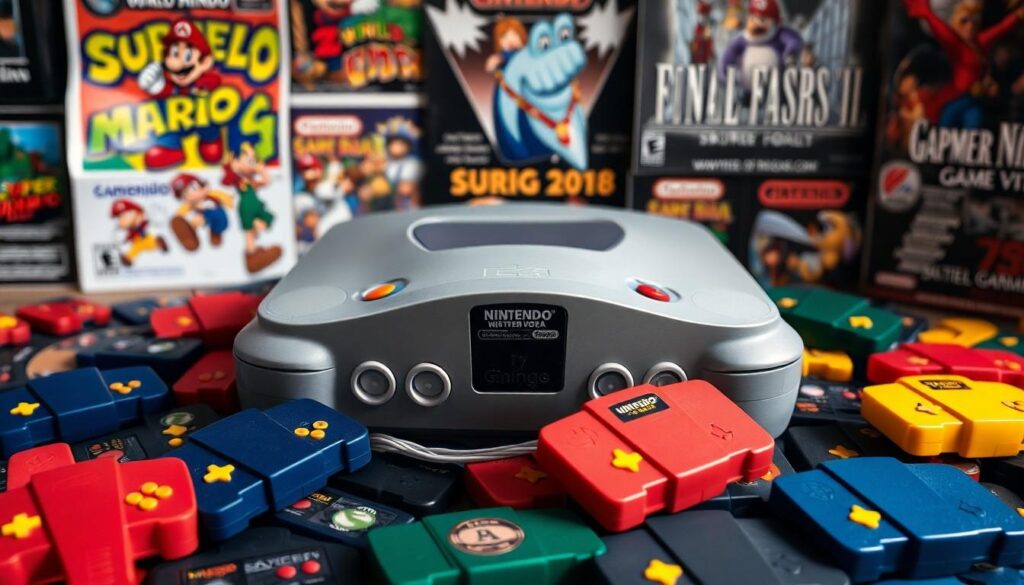
The Nintendo 64’s debut in 1996 occurred during a transformative period for the gaming industry. Innovations in technology sparked creativity among developers and changed gameplay experiences.
The 1990s Gaming Landscape
Strong competition characterized the 1990s gaming arena. 16-bit consoles like the Super Nintendo and Sega Genesis held dominant market positions until 32-bit systems emerged. The introduction of the Sony PlayStation in 1995 further shifted audience expectations. Players anticipated richer graphics and immersive experiences, which Nintendo aimed to deliver through the Nintendo 64. Games like “Super Mario 64” set new benchmarks for 3D gameplay, blending exploration with detailed environments. The focus on family-friendly content also appealed to a broad demographic, redefining what gaming could represent.
Competition in the Market
Intense rivalries shaped the gaming console market through the late 1990s. The Nintendo 64 faced formidable competition from the Sony PlayStation and the Sega Saturn. Each platform emphasized unique features; the PlayStation highlighted its expansive game library while the Saturn leaned on 2D graphics capabilities. Nintendo’s choice of cartridge over CD for the Nintendo 64 provoked debate, as cartridges allowed faster load times but limited storage. Competitive titles emerged, like “Final Fantasy VII” on the PlayStation, captivating gamers and challenging Nintendo’s stronghold. The competition pushed Nintendo to innovate further, ensuring the Nintendo 64 stood out despite the rapidly evolving landscape.
Release Details
The Nintendo 64 marked a significant milestone in gaming history. It was officially released in 1996, a pivotal year that shifted the landscape of video games.
Official Launch Date
The official launch date for the Nintendo 64 in Japan was June 23, 1996. North America followed on September 29, 1996, while European gamers received the console on March 1, 1997. These dates highlight an aggressive rollout in key markets, ensuring a global presence within months. The console featured innovative technology that attracted developers and gamers alike, setting the stage for memorable gaming experiences.
Regional Release Variations
Regional variations in the Nintendo 64’s release impacted accessibility and game availability. In Japan, the launch included titles like “Super Mario 64” from day one, captivating audiences immediately. North America gained a slightly different lineup, featuring launch titles critical to establishing the console’s popularity. European gamers encountered delays, resulting in a later start to their gaming experiences. Such differences demonstrated how Nintendo tailored its approach, maximizing engagement across diverse markets.
Impact and Legacy
The Nintendo 64 significantly shaped the gaming industry, leaving a lasting imprint on culture and technology.
Cultural Significance
Cultural relevance marked the Nintendo 64’s presence, as it became synonymous with iconic gaming experiences. Players flocked to the console for its groundbreaking titles, particularly “Super Mario 64” and “The Legend of Zelda: Ocarina of Time.” These games introduced new paradigms in gameplay and narrative, influencing how stories are told in video games. Family-friendly content ensured its appeal across various age groups, uniting players in shared experiences. Launch titles created lasting memories, sparking friendships and rivalries that echoed in living rooms worldwide. The console’s unique design and memorable characters captivated audiences, integrating gaming into popular culture and everyday life.
Influence on Future Consoles
Future consoles drew inspiration from the Nintendo 64, acknowledging its pioneering innovations. 3D graphics became standard as developers learned from its capabilities, pushing visual boundaries further. Multiplayer experiences flourished, encouraging social play in the gaming community. The emphasis on accessible controls and immersive gameplay influenced design philosophies that followed. Developers recognized the importance of engaging narratives and high-quality graphics, incorporating these elements into new systems. Legacy titles from the Nintendo 64 set benchmarks in quality that many subsequent platforms aspired to achieve. As a bridge between generations of gaming, it laid the groundwork for modern advancements in game design and technology.
Conclusion
The Nintendo 64 remains a cornerstone of gaming history. Its innovative approach to 3D graphics and multiplayer gameplay set new standards that continue to influence modern consoles. The memorable titles that graced the system not only captivated players but also defined genres and shaped the way stories are told in video games.
Though it faced tough competition, the Nintendo 64 carved out a special place in the hearts of gamers. Its legacy lives on through both nostalgia and the ongoing impact it has on game design. As the gaming landscape evolves, the contributions of the Nintendo 64 will always be recognized as pivotal in the journey of interactive entertainment.