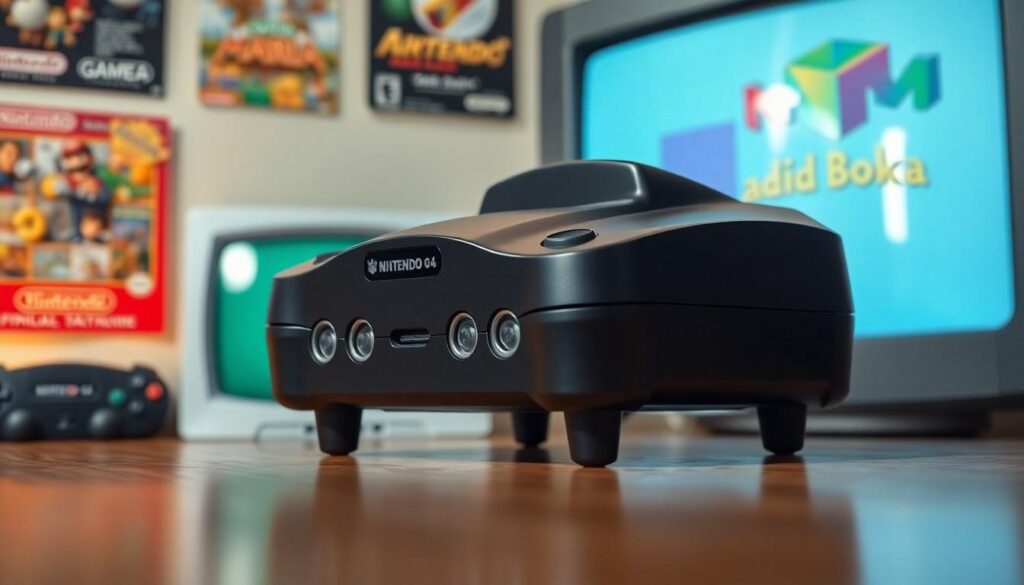
In the realm of gaming nostalgia, few consoles spark as much intrigue as the Nintendo 64 DD. Imagine a time when 3D graphics were the pinnacle of innovation, and cartridges ruled the roost. Now, throw in a disc drive that promised to elevate gaming to dizzying new heights. Sounds like a gamer’s dream, right? Well, it was more like a wild ride through the Mushroom Kingdom with a few unexpected detours.
The Nintendo 64 DD aimed to expand the horizons of the beloved N64, offering additional storage and unique titles that never quite made it to the mainstream. While it’s often overshadowed by its more successful counterparts, this quirky add-on holds a special place in the hearts of dedicated fans. So buckle up as we dive into the fascinating world of the Nintendo 64 DD, a tale of ambition, innovation, and a sprinkle of what-ifs.
Overview of Nintendo 64 DD
The Nintendo 64 DD represents a significant chapter in gaming history. Released in Japan in 1999, it served as a disc drive add-on for the Nintendo 64 console. This device aimed to extend the console’s capabilities by providing additional storage and enhancing gaming experiences. Developers could create new titles and add downloadable content, expanding gameplay options.
Limited by a modest release, the Nintendo 64 DD featured a unique format. It utilized proprietary magnetic discs, which offered more storage than traditional cartridges. Titles like The Legend of Zelda: Ocarina of Time Master Quest and Doshin the Giant exemplified the potential of this platform. Unfortunately, the expansion was not widely marketed outside Japan, leading to its limited exposure and success.
Cultivating a dedicated fanbase over time, the Nintendo 64 DD remains an object of admiration. Developers and enthusiasts appreciate its vision for delivering richer gaming experiences. Several emulation projects and preservation efforts continue, keeping the legacy of the Nintendo 64 DD alive among collectors and gamers.
Notably, the reception of the Nintendo 64 DD contributed to valuable lessons for future console designs. It showcased the balance between innovation and market readiness, influencing how subsequent gaming systems approached add-ons and peripherals. The ambitious nature of this accessory captures interest, inviting exploration into its intriguing features and unique titles.
Features of Nintendo 64 DD

The Nintendo 64 DD introduced several notable features that set it apart from other gaming systems. Its unique design allowed for enhanced gaming experiences through additional storage and innovative software options.
Expansion Capabilities
Developers utilized the expansion capabilities of the Nintendo 64 DD to create larger game worlds. The device supported proprietary magnetic discs, offering up to 64 megabytes of storage compared to the 4 megabytes available in standard cartridges. This expanded capacity enabled developers to incorporate more complex gameplay, detailed graphics, and additional content. Furthermore, the add-on allowed for the inclusion of downloadable content, enhancing player engagement and experience. As a result, some games were able to feature new levels, characters, and updates beyond their initial release.
Unique Software Titles
Several unique software titles emerged from the Nintendo 64 DD, showcasing its potential. One standout is The Legend of Zelda: Ocarina of Time Master Quest, which provided players with additional challenges and puzzles set in the familiar world of Hyrule. Another notable title is Doshin the Giant, a simulation game that let players interact with a dynamic environment while engaging in god-like activities. Additionally, these titles emphasized the capacity for creativity that the Nintendo 64 DD offered developers. Innovative gameplay mechanics and deeper narratives attracted fans, making these titles significant in the gaming landscape.
Historical Significance of Nintendo 64 DD
The Nintendo 64 DD holds a unique place in gaming history. This add-on enriched the Nintendo 64 with advanced features and storage capabilities.
Impact on Gaming Industry
The introduction of the Nintendo 64 DD marked a pivotal moment in the gaming industry. With its capability for expanded storage, it enabled developers to create larger game worlds and incorporate downloadable content. Noteworthy titles emerged, exemplifying this potential. For instance, The Legend of Zelda: Ocarina of Time Master Quest provided players with a refined gameplay experience, showcasing what could be achieved with added storage. This innovation influenced future console designs, highlighting the need for robust game expansion options to meet evolving player expectations. Despite its limited release, the Nintendo 64 DD sparked discussions around the importance of digital distribution in gaming.
Comparison to Competitors
When evaluating the Nintendo 64 DD alongside its competitors, notable distinctions arise. Other gaming consoles were adopting various forms of media, but few offered the same unique approach as the Nintendo 64 DD. While Sony’s PlayStation capitalized on CD-ROM technology for larger game sizes, the Nintendo 64 DD aimed to leverage magnetic discs, an innovative yet ultimately less popular choice. Sega’s Dreamcast entered the market later, enabling online multiplayer features without a direct counterpart to the DD’s function. Limited marketing efforts outside Japan restricted the Nintendo 64 DD’s visibility, which contrasted sharply with the widespread support seen by its competition. Despite its challenges, it paved the way for future discussions on balancing innovation with market strategies.
User Experience and Reception
The Nintendo 64 DD garnered mixed responses from players and critics alike. Insights into user experiences reveal a combination of excitement and disappointment regarding the device’s features.
Player Feedback
Players often appreciated the expanded storage capabilities, which allowed larger game worlds and complex narratives. Many enjoyed titles like The Legend of Zelda: Ocarina of Time Master Quest, noting enhanced gameplay due to additional content. Gamers also expressed frustration over the limited library of games available for the system. Accessibility posed another challenge; many struggled to find the add-on outside Japan. A dedicated fanbase emerged, with players actively preserving and emulating these rare titles, demonstrating a lasting affection for the device.
Critic Reviews
Critics offered varied opinions on the Nintendo 64 DD, focusing on its innovative technology. Some reviewers praised its potential for expanding gameplay through downloadable content and larger titles. Others, however, criticized the limited marketing efforts and lack of mainstream appeal, which hampered its success. Emerging comparisons with competitors highlighted missed opportunities to capitalize on unique features. Despite its shortcomings, the device gained recognition for setting precedents in game expansion, influencing future hardware design and features. Overall, the Nintendo 64 DD remains an intriguing case study within the gaming industry.
Conclusion
The Nintendo 64 DD remains a fascinating chapter in gaming history. Its innovative approach to storage and gameplay expansion showcased the potential for new gaming experiences. Despite its limited success and visibility, it paved the way for future console advancements.
The impact of the Nintendo 64 DD is still felt today as it influenced how developers create expansive worlds and incorporate downloadable content. Its dedicated fanbase continues to celebrate the unique titles that emerged from this add-on, ensuring its legacy endures. The Nintendo 64 DD may not have achieved mainstream success, but its contributions to gaming innovation are undeniable.