Table of Contents
ToggleFinal Fantasy VII Remake isn’t just a nostalgic trip for PS1 veterans, it’s a full-scale reimagining that stands as one of the PS5’s most ambitious titles. Since its February 2024 PS5 console exclusive upgrade, the game has been the definitive way to experience Midgar’s fall and the journey that follows. Whether you’re diving in for the first time or catching up before Final Fantasy VII Rebirth lands, this guide covers everything you need to know: the story beats, technical prowess on PS5, combat depth, and what you can realistically expect from the playtime investment. Let’s break down why this game has captivated both Final Fantasy die-hards and action RPG fans across 2026.
Key Takeaways
- Final Fantasy VII Remake PS5 (Intergrade) is a comprehensive 35-50 hour reimagining that expands Midgar’s story from 8 hours in the original to a full, emotionally-driven experience with modern combat and visuals.
- The PS5 version features significant technical upgrades including 5-second load times, ray tracing, refined character models, and a choice between 30 FPS maximum graphics or 60 FPS balanced performance modes.
- Combat combines real-time action with tactical pausing, using a Stagger system and customizable Materia builds that reward strategic party management and character rotation over button-mashing.
- The game introduces divisive Whisper entities and reality-bending narrative changes that set up Rebirth’s continuation, making this essential preparation for Final Fantasy VII’s ongoing story.
- Side quests, the Yuffie DLC episode, and optional superbosses add 10-15 additional hours of content that deepen world-building and character backstories without mandatory engagement.
What Is Final Fantasy VII Remake?
Final Fantasy VII Remake is Square Enix’s large-scale reimagining of the 1997 original, released initially on PS4 in April 2020, then upgraded for PS5 in February 2024. It’s not a straight port, this is a full remake built from the ground up with modern graphics, overhauled combat systems, and an expanded narrative. The game recounts the early chapters of the original FF7, focusing heavily on Midgar, the mega-city that serves as the opening area of the classic.
The PS5 version, officially titled Final Fantasy VII Remake Intergrade, bundles the base game with the “INTERmission” episode featuring Yuffie Kisaragi. This expansion adds roughly 2-3 hours of additional gameplay and story content exclusive to the PS5, PlayStation PC port, and later console ports. Intergrade represents the most complete version of the Remake available, making the PS5 the obvious choice for fresh players in 2026.
Story, Setting, And Characters Overview
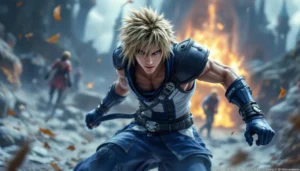
The story centers on Cloud Strife, an ex-member of the elite military force Shinra Electric Power Company, who joins a ragtag group of eco-terrorists called Avalanche. Their goal: blow up the Mako reactors that are literally draining the planet of its life force. Alongside him are Barret Wallace (Avalanche’s leader with a gun-arm), Tifa Lockhart (childhood friend and martial artist), Aerith Gainsborough (flower merchant with mysterious powers), and others who gradually join the cause.
The Remake heavily expands on character relationships and emotional beats. Gone are the brief, stilted conversations of the original, every interaction carries weight. The writing digs into why these characters fight, what they’ve lost, and what they’re willing to sacrifice. Midgar itself feels alive, packed with verticality, side stories, and environmental storytelling that the original could only suggest.
Key Differences From The Original
The Remake takes considerable liberties with the source material. The original FF7 blitzed through Midgar in roughly 8 hours: the Remake spends 30-40 hours here. The game introduces new characters, expands locations into full neighborhoods, and adds entirely new story sequences that recontextualize events.
One of the boldest changes: the introduction of the Whispers, mysterious spectral entities that seem intent on preserving the original game’s timeline. This adds a meta-narrative layer that hints the Remake isn’t just a retelling, but a reimagining of destiny itself. Long-time fans have debated whether this is genius or divisive: newcomers tend to roll with it.
Key story events remain intact, Midgar’s destruction happens, character deaths occur, but the how and why shift significantly. Certain revelations are pushed earlier, new plot threads emerge, and the ending leaves massive cliffhangers that Rebirth will address.
PS5 Graphics And Performance Features
The PS5 version is a technical showcase. Square Enix completely rebuilt the game to leverage the console’s SSD, GPU, and custom architecture. Load times dropped from 20+ seconds (PS4) to roughly 5 seconds or less. Character models are significantly refined, lighting is richer, and environmental detail reaches a level the PS4 couldn’t achieve.
The Remake runs at either 30 FPS with maximum graphics or 60 FPS with balanced settings. Neither mode feels compromised, 30 FPS mode delivers ray tracing and ultra-detailed environments, while 60 FPS mode dials back some effects but maintains stunning visuals with zero frame pacing issues. Most competitive players lean toward 60 FPS for smoother input response during intense combat, though single-player enthusiasts often prefer the visual fidelity of 30 FPS mode.
Visual Improvements And Ray Tracing
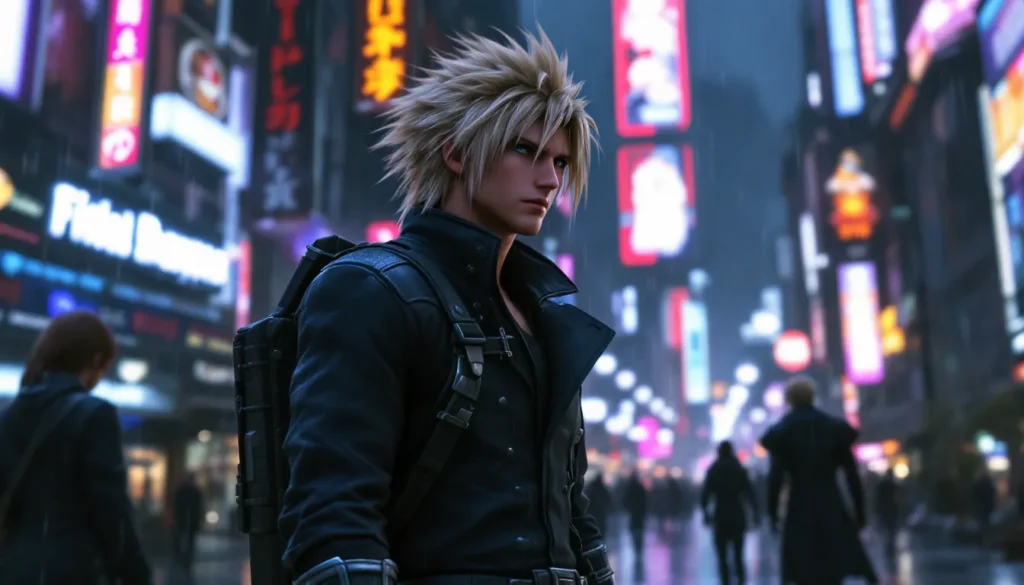
Ray tracing in the PS5 version handles reflections on wet streets, glass surfaces, and armor with impressive accuracy. Midgar’s neon-soaked streets look particularly sharp, with rain and light bouncing off surfaces realistically. The game supports both ambient occlusion and ray-traced shadows in 30 FPS mode, giving the world tremendous depth.
Character facial animations improved across the board, lip-sync is responsive, eye contact feels natural, and subtle emotional shifts register. Cutscenes rival pre-rendered cinematics. Texturing on clothing, skin, and objects are noticeably sharper. The gap between PS4 and PS5 versions is significant enough that replay is worthwhile for graphics alone.
Frame Rate Options And Loading Times
As mentioned, you get a clean choice: prioritize frame rate or visual fidelity. The 60 FPS balanced mode maintains around 55-60 FPS during regular gameplay, dips to 45-50 FPS during intense combat or cutscenes, and holds solid during exploration. 30 FPS performance mode locks closer to 30 FPS with rare hiccups. Neither suffers from stuttering or tearing thanks to PS5’s variable refresh rate support.
Loading is nearly imperceptible. Fast-traveling across Midgar districts takes 1-2 seconds. Entering buildings, transitioning between chapters, or respawning after defeat happens so quickly you barely notice the load. This was a major PS4 pain point, the PS5 upgrade makes movement feel buttery smooth.
Gameplay Mechanics And Combat System
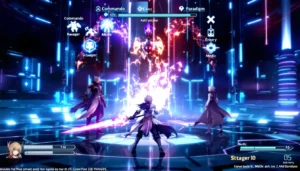
The Remake ditches the original’s turn-based system for real-time action combat with tactical pausing. Think of it as a hybrid: you control one character directly, issuing basic attacks and dodging, while the others act on AI or via command menu. You can pause at any moment, issue precise commands to all party members, or let AI handle things on normal difficulty.
This approach removes the “slow, thoughtful” feel of turn-based FF games but maintains strategic depth. Positioning matters, enemy weaknesses matter, ability timing matters. It’s closer to how Remake feels than how traditional FF feels, a necessary shift given modern action-RPG design expectations.
Real-Time Action Meets Strategic Depth
Combat is fast and responsive. Cloud’s sword has weight, Barret’s gun-arm fires projectiles with knockback, Tifa’s melee combos chain seamlessly. Each character has distinct playstyles, you’ll actively swap control between them mid-fight. Dodge feels excellent: the i-frames (invulnerability window) are generous enough to reward good timing without feeling cheap.
Attacks build Stagger meters on enemies, which when filled, leaves them vulnerable for massive damage windows. Managing this is core to harder difficulties. Normal mode lets you brute force through: Hard mode punishes careless play. The difficulty scaling is genuinely well-tuned.
Ability cooldowns, MP management, and item usage feel satisfying. You’re not just mashing attacks, you’re orchestrating a performance.
Character Abilities And Materia System
Each character levels and learns unique abilities through use. Cloud gets Braver and Omnislash at tier 3 (his signature move). Tifa unlocks Unbridled Strength and devastating combo finishers. Aerith gains healing spells and supportive magic. Barret’s abilities focus on ranged damage and tanking.
The Materia system is your customization layer. Materia is gear that grants spells, passive bonuses, or stat boosts. Slotting Fire Materia lets anyone cast fire spells: HP Up Materia boosts HP pools: Poison Materia adds status effects to attacks. You can equip multiple Materia per weapon/armor, creating wildly different character builds. Stacking Synergy Materia pairs (pairing two Materia together for bonus effects) is where endgame optimization lives.
Hard mode demands smart Materia builds. Casual players can largely ignore optimization, but it’s there for those who want depth. The system respects your time, you’re not forced into busywork.
Content Breakdown: How Long To Beat
Playtime varies wildly depending on difficulty and completionism. A speedrun might hit 25 hours: a thorough 100% run stretches to 60+. For most players, expect 35-45 hours of content.
Main Story Playtime
The main campaign runs 30-40 hours for most players, roughly 30 FPS mode or 60 FPS mode depending on exploration speed. This includes mandatory story beats, boss fights, and some unavoidable side content. Chapter pacing is excellent, you’re never waiting for momentum. If you focus purely on story, skip optional fights, and mainline the plot, you’re looking at roughly 30 hours.
The story doesn’t overstay its welcome. Most chapters clock 2-4 hours each, with natural stopping points for breaks. The plot escalates consistently, especially in the back half, where the Whisper subplot intensifies and personal stakes skyrocket.
Side Quests And Optional Content
Side quests add another 8-12 hours. These range from fetch quests (pick up X item, kill Y enemy) to character-driven narratives that flesh out Midgar’s world. Some standouts involve Avalanche members’ backstories, Wall Market social beats, or minor revenge plots. Not every side quest is gold, but there’s genuine variety.
The Yuffie DLC (INTERmission) is mandatory in the PS5 version, it’s integrated as a playable section roughly midway through chapter 2. This adds a full playable story arc with its own combat challenges, abilities, and character development. It’s 2-3 hours of pure content, sometimes longer if you pursue optional content within it.
Optional superbosses demand 1-2 hours of additional engagement. The Weapons in Hard mode are genuinely tough, especially Bahamut, which requires optimization and pattern memorization. Trophy hunters will spend time chasing these.
Arena battles and time trials offer replayability but aren’t required for story completion.
Tips And Strategies For New Players
Jumping into the Remake for the first time? Here’s what veterans wish they’d known.
Combat Tactics And Character Building
Start on Normal difficulty. Hard mode is legitimately harder and assumes familiarity with mechanics. Normal teaches you pacing and positioning without punishing mistakes harshly.
Master dodge timing. Dodging is your best friend. Practice it against early enemies, once you internalize the timing, harder encounters become manageable. You have a generous i-frame window: lean into it.
Rotate characters actively. Don’t let Cloud do everything. Swap to Aerith for healing, Tifa for raw damage, Barret for crowd control. The AI handles basics, but player control is always superior during important fights.
Exploit Stagger states. Build Stagger, then burst damage. Abilities that apply status effects (poison, burn, slow) help Stagger faster. Pair these with raw DPS once Staggered. This is the core rhythm of combat.
Balance Materia early. Don’t overload one character with damage. Aerith should have healing Materia: one character should focus on buffs. Spread debuff Materia (like Poison) across attackers for redundancy.
Unlock weapon skills. Each weapon has unique abilities gated behind AP. Using a weapon nets AP, unlocking new skills. By mid-game, you’ll have multiple ability options per character, try them all to find your playstyle.
For Materia builds, resources like Gematsu often publish community-tested builds after updates. It’s worth checking if you want optimization guidance.
Must-Do Side Content And Hidden Rewards
The Colosseum offers time trials and battle challenges that unlock rare Materia and weapon upgrades. These aren’t mandatory, but the rewards (especially unique Materia) pay dividends in Hard mode.
Wall Market quests flesh out side characters and unlock weapon attachments. One particular quest chain involves cross-dressing, which is optional but hilarious.
Shinra Mansion safes contain incredible rewards, including the ultimate summon Knights of Round (if you pursue the puzzle). This is purely optional endgame content.
Minigame completionism is worth one playthrough at least. Squats, darts, dressing up, these feel like fluff, but they’re charming and unlock trophies. Nothing gamebreaking, but good for second playthroughs.
Don’t miss character-specific story moments. Each party member has personal scenes that deepen characterization. These are usually optional but add emotional weight to later events.
Platform-specific guides exist on Push Square for PS5 trophy hunting, if you’re after the platinum.
Connection To Final Fantasy VII Rebirth
Final Fantasy VII Rebirth launched in February 2024, wait, no, that’s when Intergrade hit PS5. Rebirth is scheduled for early 2025 on PS5 (and likely later ports). The Remake ends on a cliffhanger, introducing the Whisper subplot and reality-bending implications that Rebirth explores.
Without spoiling, the Remake’s ending suggests the story won’t follow the original FF7’s path exactly. Characters know things they shouldn’t. The planet’s fate feels different. Rebirth will presumably expand on this meta-narrative while advancing Cloud’s journey beyond Midgar.
For context: the original FF7 was massive, covering a world map, multiple continents, and dozens of cities. The Remake compressed the first quarter (Midgar) into 30+ hours. Rebirth will likely expand the next segment (the journey to Cosmo Canyon, the Slums, Nibelheim, etc.) into another massive game. Expect a similar scope, probably 40-50+ hours for story, 60+ for completion.
If you’re planning to experience both, the Remake absolutely should come first. It sets narrative expectations and character development that Rebirth will build upon. The story is ongoing: Rebirth isn’t a sequel but a continuation.
Where To Buy And Current Pricing
Final Fantasy VII Remake Intergrade is exclusive to PS5 and PlayStation 5 Pro in terms of console versions. A PC port exists (via Epic Games Store and Steam), launched in late 2024, offering similar visuals and performance options. Mobile and Switch ports are rumored but unconfirmed as of March 2026.
Pricing:
- PS5 physical edition: $30-40 used, $50 new (prices fluctuate with sales)
- PS5 digital edition: $40-60 depending on sales
- PC (Steam/Epic): $50-60
- PlayStation Plus Extra/Premium: Often included in subscription libraries
The game goes on sale frequently during PlayStation sales events and holiday promotions. Patience nets you 20-30% discounts regularly. Current critical reception on Metacritic sits around 85-88 for PS5, indicating strong critical consensus.
Where to buy:
- PlayStation Store (digital)
- Amazon, Best Buy, Target (physical PS5)
- Steam, Epic Games Store (PC)
- Second-hand markets (GameStop, eBay) for used copies
Physical copies are increasingly hard to find at MSRP due to production winding down, so digital is your fastest option. If you subscribe to PlayStation Plus Extra or Premium, check your library first, it’s frequently included.
Conclusion
Final Fantasy VII Remake on PS5 is a masterclass in how to honor a legacy while blazing your own path. It’s a 35-50 hour investment that delivers emotional storytelling, satisfying combat, and technical prowess that justifies owning a PS5 in 2026. The game respects your time, every chapter has purpose, every side quest (mostly) has meaning, and the central story arc builds to a cliffhanger that demands Rebirth.
For newcomers, the Remake is the ideal entry point into this universe. For veterans, Intergrade adds enough expanded narrative and Yuffie content to justify revisiting Midgar. The PS5 upgrade specifically shouldn’t be skipped if you played the PS4 version, the performance jump and visual improvements are substantial.
Whether you’re riding the hype train toward Rebirth or discovering the story fresh, start the Remake now. You’ll have plenty of time to finish before the next chapter releases, and honestly, the experience is worth savoring. This isn’t a game to rush through, it’s one to live in, moment by moment.