Table of Contents
ToggleIf you’ve spent any serious time in the Final Fantasy universe, you’ve probably encountered Mog, the perpetually cheerful Moogle who’s become one of gaming’s most iconic characters. Whether you know him as a dancer from Final Fantasy VI, a summon, a minion in Final Fantasy XIV, or just a mascot that shows up everywhere, Mog represents something special in the series. He’s cuddly, he’s got personality for days, and somehow he’s managed to remain relevant across nearly four decades of gaming. This guide covers everything about Mog: where he came from, how he’s evolved, what he does in combat, and why fans absolutely adore him. Whether you’re a veteran who fought alongside him in the World of Ruin or a newer player encountering him for the first time, you’ll find the details that make Mog the character that keeps coming back.
Key Takeaways
- Mog debuted as a playable character in Final Fantasy VI (1994) with the signature Dance ability—a random combat move that dealt unpredictable but powerful effects to enemies, making him a unique hybrid attacker-support unit.
- Mog’s iconic design and earnest personality, marked by his distinctive ‘kupo’ speech pattern and white fur with red pompom, created an instantly recognizable and beloved character that has remained relevant across nearly four decades of gaming.
- In Final Fantasy XIV, Mog Final Fantasy’s modern presence is strongest, appearing as a companion minion, in seasonal events, and with dedicated story development in the Shadowbringers expansion, reaching the widest audience of any contemporary Final Fantasy title.
- Mog’s versatility across gameplay roles—story character, combat unit, summon, and minion—combined with Square Enix’s consistent respect for the character, has prevented him from becoming dated and ensured his appeal to both nostalgic veterans and new players.
- Mog’s merchandise footprint, including best-selling plushies, collectible Nendoroids, and extensive fan-art presence on platforms like Twitter and Pixiv, demonstrates his lasting cultural impact beyond gaming into mainstream pop culture.
Who Is Mog? Understanding the Iconic Character
Mog’s Origins and First Appearance
Mog debuted in Final Fantasy VI (also known as Final Fantasy III in the original North American release) in 1994, but his roots trace back to earlier Moogle appearances in the series. What made Mog different was his personality and depth, he wasn’t just another Moogle NPC. Specifically, Mog joined your party as a playable character and came with genuine character development tied to the game’s story and the World of Ruin.
You first meet Mog as a member of the Narshe guards, defending the frozen town of Narshe. Pretty quickly, he becomes one of your most loyal allies. The character design and placement in FFVI made Mog feel less like comic relief and more like a genuinely motivated party member with his own arc.
Character Design and Personality
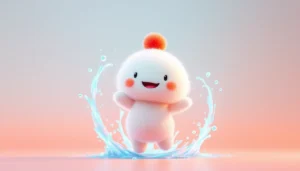
Mog is a Moogle, a small, furry creature with a large pompom on his head. His fur is typically white or cream-colored, and his design strikes a balance between adorable and battle-ready. Unlike other Moogles in the series who default to trading, crafting, or supporting roles, Mog was built to fight.
Personality-wise, Mog is earnest, loyal, and often comedic without trying too hard. He speaks with a distinctive accent and frequently uses “kupo”, the canonical Moogle interjection, in dialogue. This isn’t just flavor text: it’s become part of his identity. Players connect with Mog because he’s wholesome and genuinely cares about his allies. In later appearances, especially in Final Fantasy XIV, his personality became even more endearing, often portrayed as naive but determined. He’s the character that makes you smile even in dark story moments.
Mog’s Evolution Across Final Fantasy Games
Final Fantasy VI: The Original Mog Story
In FFVI, Mog’s role was revolutionary for its time. He was introduced as part of the Narshe defense force and quickly recruited into your party during the Magitek Research Facility section. Mechanically, Mog stood out because of his unique Dance ability, instead of casting spells or using standard attacks, Mog would perform elaborate dance routines that dealt random effects to enemies. This made him unpredictable and exciting to use.
Mog’s story arc in FFVI wasn’t the most prominent in a game packed with deep character development, but it was memorable. His bond with Umaro, another beast-type character, added an emotional layer. The game presented Mog as fiercely protective and willing to put himself in danger for his friends. His battles alongside your party against the Empire and later against Kefka solidified him as more than just a gimmick character, he was competent, loyal, and genuinely useful in combat.
Stats-wise in FFVI, Mog had decent HP and decent physical attack, but his real strength lay in his Dances. With the right RNG, a single Dance could turn a difficult fight in your favor. This randomness became his signature mechanic.
Mog in Later Mainline Titles and Spin-Offs
Mog didn’t appear as a playable character in every mainline Final Fantasy after VI, but he became a recurring character throughout the series. In Final Fantasy VII, he appeared in Chocobo breeding content and later in Crisis Core-related material. Final Fantasy IX brought Mog back in spin-off content and as a collectible summon-adjacent character.
Dissidia Final Fantasy and its sequels gave Mog a more substantial presence. He appeared in trading sequences and as a companion character in some modes. The character maintained his cheerful demeanor and iconic speech patterns across these appearances.
Mog’s most consistent modern presence is in Final Fantasy XIV, which we’ll cover separately. But it’s worth noting that even in titles where Mog wasn’t a playable character, Square Enix never let the character fade. He appeared in spin-offs, mobile games, and crossovers. This consistent inclusion shows just how important Mog became to Final Fantasy’s identity, almost a de facto mascot alongside Chocobo, though with more personality.
Gameplay Mechanics and Abilities
Dance Ability and Combat Role
Mog’s Dance ability is his signature move, and it defines his combat role across titles. In FFVI, when you select Dance, Mog performs a random sequence of actions. There are multiple Dance types, each with different effects:
- Flurry (a basic dancing pattern dealing physical damage)
- Sword Rain (hitting multiple times with sword motions)
- Water Harmony (dealing water-elemental damage)
- Atma Weapon (channeling strong physical strikes)
The randomness created tactical depth. Experienced players could manipulate encounter design and party setup to leverage Dance more reliably, but there was always an element of surprise.
In FFVI, Mog also learned Moogle abilities through combat with other Moogles, called Mogify. This let him copy enemy abilities and use them in future battles, adding another layer of complexity. His role in the party was as a hybrid attacker-support unit. You could equip different items and gear to boost his Dance chances or his physical stats.
Across other titles, Mog’s mechanics varied but always centered on his unique abilities rather than standard attacks. In FFXIV (covered next), Mog functions differently as a summon and companion.
Mog’s Stats and Skills Across Titles
Mog’s base stats in FFVI were moderate across the board:
- HP: Started around 32 at recruitment, scaled well
- Attack: Decent for physical damage
- Magic: Lower than dedicated mages like Terra or Celes
- Defense: Middle-of-the-road
- Speed: Above-average, letting him act more frequently
What made Mog shine was his versatility. Unlike specialized characters (Terra = magic, Locke = physical damage), Mog could adapt through Dances and Mogify. Players who invested in Mog’s gear and abilities found him consistently useful, especially in late-game content.
In final fantasy titles beyond VI, Mog’s stats and mechanics shifted based on his role. When appearing as a summon, his stats reflected summon power. As a companion in FFXIV, stats depend on the specific implementation and expansion. The through-line: Mog is never the “best” at one thing, but he’s always a solid, dependable contributor with unique mechanics that reward creative play.
Mog in Final Fantasy XIV and Modern Appearances
Mog as a Companion and Minion
Mog’s role in Final Fantasy XIV represents his most continuous modern presence. The character appears across multiple expansions and story beats. In FFXIV, Mog is primarily presented as a minion, a companion pet that follows your character but doesn’t participate in combat.
The FFXIV Mog minion has distinct qualities. Players can obtain Mog through various methods: treasure hunts, level syncing, quest rewards, and special seasonal events. The minion model is faithfully rendered with Mog’s characteristic white fur and red pompom, and his idle animations are delightful. He runs circles around your character, sits down occasionally, and performs a tiny dance move, referencing his FFVI roots.
In the Shadowbringers expansion, Mog received significant story development as a character separate from the minion system. He appeared in the post-expansion content with a full personality and role in the narrative. This content showed that Square Enix understood why players loved Mog and gave him proper screen time.
The Warrior of Light job summon-adjacent ability in FFXIV can trigger Mog-related abilities in certain content, though the mechanics vary by expansion. Mog’s versatility in FFXIV matches his legacy, he appears everywhere because players expect and want him there.
Events and Seasonal Content Featuring Mog
FFXIV runs regular seasonal events and limited-time content that frequently features Mog. The Gold Saucer, FFXIV’s in-game casino and recreation area, includes Mog-themed activities. Mog also appears in the Make It Rain event, the Hildy trial content, and various crossovers.
During seasonal celebrations, Mog often gets special emotes, gear, and cosmetics tied to real-world events or anniversary celebrations. The community has learned to expect Mog appearances during major patches. This consistent integration keeps Mog relevant and reminds players of his long history in the series. When Final Fantasy XIV ran its Endwalker expansion conclusion, Mog was featured in promotional materials and story previews, showing his continued importance to the Final Fantasy brand. Players across platforms, PC, PS4, PS5, Xbox Series X/S, encounter Mog regularly if they engage with FFXIV content. The game’s cross-platform availability means Mog’s presence reaches the widest audience of any modern final fantasy game.
Cultural Impact and Fan Reception
Why Fans Love Mog
Mog’s popularity stems from several factors that transcend typical gaming character appeal. First, there’s nostalgia. FFVI is considered one of the greatest JRPGs ever made. Players who grew up with the game carry deep emotional connections to Mog. That 16-bit sprite with the bouncing pompom is instantly recognizable to anyone who’s been gaming for decades.
Second, Mog represents accessibility and personality. Unlike brooding antiheroes or serious warrior archetypes, Mog is straightforwardly lovable. His speech pattern, his animations, and his earnest loyalty create an instant emotional bond. Fans appreciate that he’s not oversexualized, isn’t designed to be edgy, and doesn’t require complex lore comprehension to enjoy. He’s just a good guy (or Moogle, technically) who wants to help.
Third, Mog’s mechanics, particularly the Dance ability, created memorable gameplay moments. Players remember fights where a lucky Dance sequence turned the tide, or frustration from getting an unwanted Dance result. These stories become part of gaming memories. The discussions on RPG Site about FFVI frequently include Mog anecdotes, showing how deeply embedded he is in gaming culture.
Fourth, Mog has proven versatile across contexts. He works as a story character, a combat unit, a minion, a summon, and even as comic relief. This versatility meant he never became tired or overused. Whether you want Mog for emotional resonance or pure gameplay utility, the series provided options.
Finally, Square Enix has consistently respected the character. They didn’t let Mog become a dated relic or throw him into irrelevance. Cross-game appearances, merchandise, and integration into modern titles like FFXIV kept Mog alive in the collective consciousness. Fans respond positively when developers show respect for legacy characters, and Mog’s treatment exemplifies this approach.
Mog Merchandise and Pop Culture Presence
Mog’s merchandise footprint is substantial. Plushies of Mog are consistently among Square Enix’s best-selling Final Fantasy merchandise items. Official Mog plushes range from palm-sized keychains to large cuddle-size versions. The official Final Fantasy merchandise store frequently features Mog-themed items: hoodies, t-shirts, hats, desk accessories, and collectibles.
Japanese manufacturers like Good Smile Company and Max Factory have created Nendoroid and Figma versions of Mog, which are detailed articulated figures popular with collectors. These figures capture Mog’s charm at a higher quality level than standard merchandise, and they consistently sell out when released.
Beyond official merchandise, Mog has massive fan-art presence. Platforms like Pixiv, Twitter, and Reddit host thousands of community-created Mog artwork, fanfiction, and cosplay. This organic fan creation keeps Mog relevant in internet culture. Unlike mascots designed purely for marketing, Mog feels like a genuine character that fans want to celebrate.
Cross-media appearances have boosted Mog’s pop culture presence. Final Fantasy VII Remake’s DLC scenario featuring Crisis Core characters referenced Mog in promotional materials. Final Fantasy XIV’s constant integration of Mog into seasonal events gives the character repeated exposure. According to coverage on Siliconera, Mog appears frequently in Japanese gaming news when Square Enix announcements happen.
Mog also appears in mobile Final Fantasy titles. Final Fantasy Brave Exvius, Final Fantasy Record Keeper, and other mobile entries frequently feature Mog as recruitable units or summons. This mobile presence reaches entirely different player demographics, extending Mog’s reach.
The character’s design has proven timeless. Released in 1994, Mog’s aesthetic hasn’t required dramatic redesigns. His iconic look, white/cream fur, red pompom, Moogle body, translates perfectly from 16-bit sprites to modern 3D models. This design longevity is rare in gaming and speaks to how well-crafted the character is fundamentally.
Conclusion
Mog’s journey from a single playable character in FFVI to a series icon spans three decades of gaming history. His evolution showcases how well-designed characters transcend their original context. Whether you encountered Mog through Final Fantasy XIV Expansions or grew up with him in FFVI, the character’s appeal remains consistent: genuine, lovable, versatile, and respectfully maintained across countless appearances.
The mechanics that made Mog interesting, unpredictable Dances, adaptability, unexpected utility, proved timeless. The personality that made him charming in sprite form translates seamlessly to modern 3D. Most importantly, Square Enix recognized what fans loved about Mog and never abandoned the character, ensuring that new players continue to discover why this Moogle matters.
If you’re diving into Final Fantasy games and haven’t experienced Mog yet, FFVI remains the definitive starting point. If you’re already familiar with Mog from FFXIV or other modern titles, exploring his FFVI origins reveals the foundation of what makes him special. Either way, Mog’s legacy is secure, he’s not just a character, he’s a core part of Final Fantasy’s identity and gaming history.