Table of Contents
ToggleFinal Fantasy XIII-2 is one of the most polarizing entries in the franchise, and for good reason. Released in 2011 (2012 in North America), this sequel ditched the linear hallway design of its predecessor and threw players into a time-traveling adventure across multiple timelines. Unlike the original’s straightforward story, Final Fantasy XIII-2 demanded players engage with its complex mechanics, and rewarded them for it. Whether you’re a series veteran looking to revisit Cocoon and Pulse, or a newcomer curious about what made this game so divisive, this guide covers everything from combat mechanics to postgame challenges. We’ll break down the story, explain the paradigm system, and offer concrete strategies for every stage of the game.
Key Takeaways
- Final Fantasy XIII-2’s paradigm system defines its combat by requiring players to switch team configurations strategically based on enemy types and phases, rewarding tactical planning over mindless attacking.
- The game features 13 different endings determined by story choices and collectible items, incentivizing multiple playthroughs and deep engagement with the time-travel narrative across multiple timelines.
- Mastering support roles like Synergist and Medic early is essential; raw DPS without buffs is less effective than smart party composition and strategic paradigm switching against bosses.
- Time-travel mechanics allow access to different areas and enemies across various eras, with exploration of locations like the Sunleth Waterscape and Dead Dunes unlocking rare components and optional super-bosses.
- Postgame content including Chronolith Challenges, DLC episodes, and superboss encounters like Bahamut provide endgame activities for completionists seeking maximum difficulty and narrative depth beyond the main story.
What Is Final Fantasy XIII-2?
Final Fantasy XIII-2 is a direct sequel to Final Fantasy XIII, continuing the story 500 years after the original game’s ending. Developed by Square Enix and published across multiple platforms, it introduced a time-travel narrative that split the story across different eras and realities. The game marks a significant shift in how the series approached JRPG design, moving away from the linear progression that defined FFXIII in favor of a more open structure with branching timelines and player choice.
Story And Setting
The story centers on Serah Farron and a mysterious boy named Noel Kreiss as they travel through time to prevent a catastrophic future known as the “Chaos” from consuming the world. Unlike the original game’s focus on rebellion against the established order, XIII-2 leans into mystery and prophecy. The narrative weaves between different time periods, some peaceful, others apocalyptic, as players uncover the truth behind the timeline’s fracture.
Set primarily in Cocoon and Pulse, the game’s world feels both familiar and alien. Locations players visited in the original game have transformed, been destroyed, or evolved into something entirely different. This world-building created atmosphere that many fans appreciated, even if the story’s convoluted time-travel logic occasionally lost them. The game’s ending is deliberately ambiguous, spawning countless fan theories that persist even now in 2026.
Release And Platform Availability
Final Fantasy XIII-2 launched on March 4, 2011 in Japan, with North American and European releases following in early 2012. The game is available on PlayStation 3, Xbox 360, and later received a port to PC (via Steam) in 2014. If you’re looking to play in 2026, the PC version offers the most stable modern experience with improved graphics options, though the PS3 and Xbox 360 versions still hold up reasonably well.
The game has been delisted from some digital storefronts due to licensing issues, but used physical copies remain available. Emulation is also a viable option for those on PC looking for the original console experience. The Steam version includes all DLC episodes, a crucial detail since some story content was exclusive to paid DLC, which we’ll cover in the postgame section.
Key Characters And Their Roles
Understanding the cast is essential for appreciating the narrative and navigating party dynamics during combat. XIII-2’s roster includes returning favorites and new faces, each with distinct mechanical roles and narrative significance.
Serah Farron And Noel Kreiss
Serah Farron returns as the main protagonist, and her character arc represents the story’s emotional core. She’s searching for her sister Lightning across the timelines, driven by determination and hope even though overwhelming odds. Mechanically, Serah functions as a versatile character capable of filling multiple roles: she can heal, deal magic damage, or debuff enemies depending on her paradigm configuration. Her ability to use summons (called Gestalt Mode) makes her invaluable in endgame fights.
Noel Kreiss is the mystery character, a boy from a distant future who joins Serah on her quest. He’s faster and more aggressive than Serah, excelling in physical damage and buffing party stats. Noel’s character development hinges on learning his true connection to the story’s central conflict. Narratively, his presence pushes Serah toward uncomfortable truths about the timeline they’re trying to preserve.
The chemistry between these two carries the entire game. Their banter evolves as the story progresses, moving from tentative alliance to genuine partnership. Boss fights often emphasize this dynamic, requiring both characters to use specific abilities to succeed.
Mog And Supporting Cast
Mog is a moogle, a diminutive, furry creature with massive personality, who joins early in the adventure. Beyond being adorable, Mog functions as a third party slot with unique mechanics. He can transform into various creatures (obtained through monster taming) to unleash powerful attacks, essentially acting as a living summon system. His dialogue is charming without being insufferable, a balance the original game didn’t always strike.
The supporting cast includes returning characters like Sazh Katzroy (a pilot with mysterious connections to the timeline), Snow Villiers (a young man with his own agenda), and Lightning Farron (who appears in critical story moments but isn’t playable as party member). Each character’s arc ties directly into the time-travel narrative, revealing how their actions decades earlier shaped the world Serah and Noel are trying to save.
The game also introduces Caius Ballad, a formidable antagonist whose goals aren’t simply “destroy the world.” His motivation, protecting a character he loves across time, adds moral complexity to the conflict. He’s one of the franchise’s most interesting villains, with boss fights that demand respect and strategy.
Gameplay Mechanics And Systems
XIII-2’s gameplay is where the series took its boldest risks. The mechanics reward planning, team composition, and understanding the combat flow. Mastering these systems separates casual playthroughs from optimal runs.
Combat And The Paradigm System
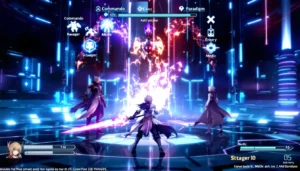
The Paradigm System is XIII-2’s defining mechanic. A paradigm is a team configuration that determines each character’s role: Commando (physical attacker), Ravager (magic damage), Sentinel (tank/defender), Medic (healer), Saboteur (debuffer), or Synergist (buffer). You customize paradigms before battles, then switch between them mid-combat to adapt to enemy behavior.
Here’s what makes this brilliant: you can’t just spam one powerful paradigm. Most tough enemies have weaknesses to specific damage types, immunities, or buff requirements. A sentinel is useless against an enemy dealing magic damage, so you swap to a medic configuration. Enemies also shift strategies, forcing you to anticipate and respond. It’s like playing chess at 2x speed.
The Stagger System complements paradigms perfectly. Chain attacks of the same element or weapon type against an enemy to build their stagger gauge. Once staggered, enemies take increased damage and enter a vulnerable state. Optimal DPS comes from chaining the right attacks, switching paradigms to maintain momentum, and executing the killing blow before stagger wears off. Matches against Caius Ballad or the Chaos Bahamut demand flawless execution.
Chain bonuses reward consistent attacking. Longer chains mean higher multipliers on all damage. This encourages aggressive play rather than defensive stalling, making XIII-2’s combat feel dynamic and responsive.
Time Travel And Monster Taming
The time-travel mechanic isn’t just narrative window dressing, it’s central to exploration and combat. Players visit locations across different eras. The Sunleth Waterscape in 200 AF (After the Fall) looks nothing like the same location in 400 AF. Some areas are locked until you progress specific storylines or obtain certain items from alternate timelines.
Mog’s monster taming system adds strategic depth. You capture enemy creatures and recruit them into your party, replacing one of the main cast in the third slot. Different monsters fill different roles with unique abilities. A good Bahamut (obtainable through DLC or rare drops) can carry you through endgame challenges. Taming incentivizes grinding and exploration, appealing to completion-focused players.
The game doesn’t force you to use monster slots, you can always keep your three main characters. But optimal strategies, especially in postgame challenges, rely on specific monsters with tailored ability builds.
Upgrading And Leveling Up
Leveling works differently than previous Final Fantasy titles. You don’t earn traditional experience points. Instead, you invest Crystarium Points into a Crystarium Board, a menu-driven upgrade tree where you unlock stats, abilities, and passive bonuses. The board limits how many points you can spend per character depending on your role rank.
Early-game progression is generous, but late-game leveling requires grinding. You’ll farm easy encounters repeatedly to accumulate points, then spend them strategically. This system allows soft-capping weaker characters while heavily investing in your main team.
Equipment upgrading is separate. Weapons and armor can be enhanced using components dropped from enemies. The upgrading system is straightforward but time-consuming, another grinding element that rewards patience. Certain equipment combinations unlock unique passive bonuses, encouraging experimentation with different loadouts.
Beginner Tips And Strategies
Starting XIII-2 can feel overwhelming. The game throws paradigm switching, stagger mechanics, and time-travel objectives at you rapidly. These fundamentals will smooth your early hours.
Essential Early-Game Advice
First, don’t be afraid to lose. XIII-2’s early boss fights punish poor paradigm choices, but losses teach you what works. After your first two to three losses against the same enemy, you’ll internalize its patterns. This is intentional design, the game wants you to adapt.
Second, invest in the Synergist role early. A character with Synergist abilities can apply Haste (increases ATB speed), Protect (reduces physical damage), and Bravery (increases physical damage). These buffs dramatically improve your survivability and damage output. Don’t neglect support roles for raw DPS, smart buffing beats mindless attacking.
Third, mix your paradigms before locking them in. A solid early-game setup includes:
- Commando/Medic (physical damage + healing flexibility)
- Ravager/Ravager (burst magic damage for staggering)
- Sentinel/Synergist (defense + buffs for tough fights)
You’ll swap between these three configurations frequently. Most regular enemies die to one or two paradigm switches. Bosses demand more variety.
Fourth, farm component materials early. The game generates a lot of junk loot. Sell it and buy components from shops. This funding allows steady equipment upgrades. Neglecting this makes mid-game harder than it needs to be.
Fifth, hunt for Treasure Spheres in each location. These contain rare components, items, or Crystarium points. They’re hidden throughout the world and reward exploration. Consulting online guides for sphere locations accelerates progression without breaking immersion.
Optimal Paradigm Setups For Different Encounters
Standard Encounters (Regular Enemies):
One aggressive paradigm handles most trash. Ravager/Ravager/Commando chains magic damage quickly, staggering weak enemies in seconds. If enemies hit hard, swap to a defensive paradigm, but most regular fights don’t require this. Speed matters, chains reset if you wait too long between attacks.
Mid-Boss Fights (Time Rifts, Story Bosses):
Mid-bosses have higher HP and attack patterns but aren’t fully punishing. Build a setup like:
- Commando/Ravager/Sentinel for sustained damage with defensive backup
- Ravager/Ravager/Medic for phase transitions
- Synergist/Sentinel/Medic for survival if things go wrong
The key is having a medic available. Never get locked into an all-offense paradigm. One staggering mistake and an unhealed party dies fast.
Endgame Bosses (Caius, Chaos Bahamut, DLC Chalice of Eternity):
These fights demand precision. Build multiple specialized setups:
- Commando/Ravager/Medic for steady pressure
- Ravager/Ravager/Sentinel for stagger-chaining
- Synergist/Synergist/Medic for survival if the boss enters rage mode
- Monster/Commando/Medic (substituting your third slot with a strong creature like Bahamut or Anima)
Boss patterns repeat. After one or two attempts, you’ll recognize openings for swapping. Use these windows to apply buffs before transitioning to offensive paradigms. Rushing DPS without support spells kills faster than it saves time.
A specific example: Caius alternates between physical and magic attacks. When he charges for magic (visual tell, summoning energy), swap to a Sentinel paradigm. When he melee-rushes, go offensive. This rhythm-based combat rewards pattern recognition.
Side Quests And Hidden Content
XIII-2 hides substantial content off the beaten path. Side quests, collectibles, and secrets reward exploration and completion-focused play. This is where the game shines for players who engage beyond the main story.
Quest Locations And Rewards
Side quests in XIII-2 are NPCs and locations offering optional objectives. Unlike modern games with quest markers, XIII-2 demands you actually explore and talk to NPCs. This creates organic discovery moments that feel earned.
Academia AF 4XX Era hosts numerous NPC side quests with rewards ranging from components to rare items. An NPC might ask you to hunt specific enemies elsewhere on the timeline, sending you on mini-adventures. Completing these gives Gil (currency), crafting materials, or unique equipment.
Sunleth Waterscape contains time-hidden treasure and monsters exclusive to certain eras. Visit in different timelines (unlocked by progressing the main story) to access different areas and enemies. One timeline might have a boss-level creature with rare drops: another has just scenery. The game encourages multiple visits.
The Dead Dunes region opens late-story and becomes a grind hub for leveling and component farming. Enemies here drop high-value materials. Players hunting endgame gear spend significant time farming this area, making efficient routing important.
Key side quest rewards include:
- Moogle Throw Components: Mog’s signature weapon parts. Upgrade Mog’s weapon fully for a significant stat boost.
- Rare Monster Encounters: Specific locations house powerful creatures needed for optimal monster slots.
- Unique Accessories: Items that grant abilities or passive bonuses not available through normal progression.
A resource like IGN’s Final Fantasy XIII-2 wiki catalogs all side quest locations and optimal routes, saving hours of blind exploration if you’re time-pressed.
Collectibles And Achievement Hunting
Paradox Endings represent XIII-2’s most compelling collectible system. The game has 13 different endings, obtained by making choices at specific story junctures and collecting rare items. Each ending changes which final boss you face and the epilogue you receive. Hunting all 13 is an achievement in itself.
Fragments are story-related collectibles scattered across timelines. Gather fragments to unlock new areas, items, and story scenes. Fragment hunting becomes an endgame activity, with online guides necessary for locating every one without wasting days.
Treasure Spheres (mentioned earlier) contain Chronolith Gates, challenges you can tackle whenever you want. These time-trial battles against preset enemy formations offer components and money for completion. Some gates are brutally difficult, designed for maxed-out parties.
Achievement Completion appeals to hardcore fans. Achievements include:
- Capturing 100+ different monsters
- Defeating optional super-bosses
- Finding all treasure in specific locations
- Upgrading equipment to maximum levels
The completionist path to 100% adds 40+ hours beyond the main story. Most players don’t attempt this, but those who do find deep satisfaction in mastering the game’s systems.
Resources like GameSpot’s comprehensive guide database provide detailed maps for fragment locations and treasure sphere positions, invaluable for completionists.
Postgame Content And Endgame Activities
XIII-2’s postgame content extends playtime significantly. After completing the story, new challenges and activities unlock, appealing to players seeking maximum difficulty or narrative completion.
Multiple Endings And Timeline Variations
As mentioned, XIII-2 has 13 distinct endings based on your choices and collectibles throughout the game. Unlike linear narratives where you replay from a save, you can lock in different choices on repeat playthroughs and see how they cascade into different outcomes.
One ending leads to the canonical ending (connecting to Lightning Returns: Final Fantasy XIII). Others offer alternate realities where characters make different decisions, fundamentally changing the story’s trajectory. Some endings are bittersweet, others outright tragic.
Obtaining all 13 endings requires:
- Identifying choice points (major story moments)
- Collecting specific items before final battles
- Beating the game with different item/choice combinations
- Watching unique epilogue sequences
The narrative payoff varies, some endings expand the lore meaningfully, others feel slightly experimental. But collectively, they justify a second or third playthrough for story-focused players. The game’s lore community has spent years analyzing these ending variations, crafting theories about which timeline is “true.”
Challenge Battles And DLC Episodes
Chronolith Gates return as endgame content. These preset battles escalate in difficulty, demanding perfectly optimized parties and strategies. Completing the hardest gates rewards cosmetic items and currencies that feel prestigious.
DLC Episodes significantly expand the postgame experience. Final Fantasy XIII-2 released multiple DLC scenarios:
- The Coliseum: A tournament-style gauntlet against superbosses. Clearing it unlocks powerful equipment and monsters, with boss fights more mechanically demanding than the final boss.
- Requiem of the Goddess: A story episode following a character not heavily featured in the main game, adding narrative depth.
- Challenger Series: Various DLC challenges offering cosmetic rewards and bragging rights.
The Coliseum’s Bahamut superboss is legendary among the community for its difficulty. It has two phases, devastating abilities, and requires near-perfect play. Defeating it requires a highly optimized team and understanding advanced mechanics like enemy ability interrupts. Twinfinite’s boss guides break down the specific strategies needed.
DLC episodes were originally paid content, but some were later made free. The 2014 PC release includes all DLC, making the complete experience more accessible for modern players. Story completionists should play these episodes, as they contain plot details referenced later in Lightning Returns.
Conclusion
Final Fantasy XIII-2 remains a unique entry in the franchise, flawed but ambitious. Its paradigm system created engaging tactical combat, its time-travel narrative rewarded curiosity, and its multiple endings demanded replaying. While it won’t satisfy players wanting a straightforward, emotionally resonant story like VII Remake offers, it rewards those willing to embrace complexity.
In 2026, XIII-2 is worth playing if you’re a Final Fantasy completionist or interested in how the series experimented with mechanics other franchises didn’t touch for years. The learning curve is real, but it flattens once you internalize the paradigm system. Build your setups, farm your components, explore the timelines, and seek out those 13 endings.
Whether you’re revisiting an old favorite or discovering it for the first time, approach XIII-2 with patience and an open mind. The game respects players who engage deeply with its systems, and harshly punishes those who don’t. That’s not a flaw: it’s the whole point.