Table of Contents
ToggleFinal Fantasy Adventure has become synonymous with legendary RPG gaming over the past three decades. What started as a single experimental title on the NES has blossomed into one of gaming’s most respected and culturally significant franchises, spanning numbered mainline entries, spin-offs, MMORPGs, and mobile experiences. Whether you’re a newcomer curious about what all the hype is about or a veteran player looking to catch up on recent releases and developments, this guide breaks down everything you need to know about the Final Fantasy Adventure series in 2026. From groundbreaking combat systems to world-defining characters and stories, Final Fantasy has consistently pushed the boundaries of what role-playing games can achieve.
Key Takeaways
- Final Fantasy Adventure spans nearly four decades of innovation, evolving from a single NES experimental title into one of gaming’s most respected franchises with mainline entries, MMORPGs, spin-offs, and mobile experiences.
- The series excels at character-driven narratives and emotional storytelling, with iconic protagonists like Cloud Strife and Aerith whose complex motivations and growth arcs define what meaningful game narratives can achieve.
- Final Fantasy games showcase diverse combat systems—from turn-based mechanics with ATB systems to real-time action-oriented gameplay in recent entries—ensuring mechanical variety across the franchise that keeps it relevant across generations.
- Modern masterpieces like Final Fantasy XVI, Final Fantasy XIV (a gold-standard MMORPG), and the Final Fantasy VII Remake project demonstrate the franchise’s continued ability to innovate while respecting its legacy.
- New players should start with Final Fantasy X for traditional gameplay or Final Fantasy XVI for modern action, while veteran fans can explore underrated gems like Final Fantasy VI, IX, and XII for deep storytelling and mechanical depth.
- The franchise’s future remains bright with ongoing expansions for Final Fantasy XIV, the Final Fantasy VII Remake trilogy in development, and Square Enix’s commitment to modernizing beloved classics through remakes and remasters.
What Is Final Fantasy Adventure?
Final Fantasy Adventure is a sprawling RPG franchise developed and published by Square Enix that encompasses dozens of games across multiple platforms, genres, and timelines. Unlike linear action games, the series emphasizes character-driven narratives, strategic turn-based or real-time combat, immersive world-building, and emotional storytelling. Each numbered entry (I through XVI and beyond) typically stands as its own self-contained experience with unique characters, settings, and gameplay mechanics, though some share thematic or philosophical elements.
The franchise kicked off in 1987 on the Nintendo Entertainment System and has since become a cultural phenomenon in gaming. Final Fantasy games are known for their ambitious scope, stunning visuals, unforgettable soundtracks composed by masters like Nobuo Uematsu, and the willingness to experiment with gameplay formula. Whether you’re exploring sprawling dungeons, engaging in strategic boss battles, or uncovering deeply personal character stories, Final Fantasy games deliver on the promise of adventure with production values that rival most AAA releases.
Today, the series includes mainline numbered entries, direct sequels, expanded universes (like the massively popular Final Fantasy XIV MMORPG), mobile games, spin-offs, and expansions. This diversity means there’s genuinely something for everyone, from casual players seeking an engaging story to hardcore enthusiasts chasing endgame raids and competitive content.
The Evolution Of The Final Fantasy Franchise
Early Classics: The Foundational Era
The original Final Fantasy (1987) launched on the NES as Square’s desperate bid to save the company, hence the name. If it had failed, there wouldn’t have been a Final Fantasy II. Instead, the game found an audience and established the template: a party-based RPG with turn-based combat, character classes, magic systems, and a world to save. Games II through VI (1988–1994) refined this formula and introduced features that became series staples: the job system, deeper narratives, ensemble casts, and increasingly sophisticated soundtracks.
These early entries felt different from one another. Final Fantasy IV (1991, originally titled II in North America) is often credited as the first to blend compelling narrative with solid mechanics, introducing named characters with defined personalities rather than generic player-created adventurers. Final Fantasy V (1992) brought the job system to new heights, allowing unprecedented character customization. Final Fantasy VI (1994) stands as the era’s crowning achievement, a game that proved RPGs could deliver emotionally mature storytelling, political intrigue, and genuinely memorable characters like Terra, Locke, and the unforgettable villain Kefka.
The Golden Age: FF VII Through FF X
Final Fantasy VII (1997) on PlayStation fundamentally changed the industry. Its cinematic presentation, complex narrative layering (trust us, fans are still debating the plot), groundbreaking graphics for the time, and phenomenal soundtrack made it a cultural touchstone far beyond gaming. It launched the franchise into mainstream consciousness and remains the series’ most recognizable entry, though it’s also the subject of ongoing expanded universe storytelling through the Remake trilogy currently in development.
FF VIII (1999) took risks with its junction system and complex magic mechanics, FF IX (2000) returned to franchise roots while honoring them, and Final Fantasy X (2001) marked PlayStation 2’s RPG crown jewel with a beautiful linear narrative, a controversial main character (Tidus, who players either loved or absolutely despised), and one of gaming’s most emotional endings. This era also saw the release of Final Fantasy XI (2002), which became a landmark MMORPG that still maintains an active playerbase.
Each title in this era attempted something different mechanically and narratively. You’ve got the Materia system in VII, the elemental and GF mechanics of VIII, the classic Job system revival of IX, and the sphere grid progression of X. This willingness to iterate on the formula rather than copy-paste success is what kept Final Fantasy relevant across three console generations.
Modern Masterpieces: Recent Releases And Innovations
The 2010s and 2020s brought Final Fantasy into the modern era with entries like Final Fantasy XIII (2009), which polarized players with its linear structure but impressed with its combat system: Final Fantasy XIV (2010, then A Realm Reborn in 2013), which evolved into the gold standard of modern MMORPGs and rivals World of Warcraft in cultural impact: and Final Fantasy XV (2016), an action-heavy open-world title that represented a significant departure from series traditions.
Final Fantasy XVI (2023) on PlayStation 5 doubled down on action-oriented combat inspired by Devil May Cry, with Eikon-based abilities replacing traditional magic. It received critical acclaim for its narrative scope, production values, and protagonist Clive’s character arc. Meanwhile, Final Fantasy 14 Expansions continue to expand the MMORPG experience with storytelling that many argue rivals mainline entries.
The franchise has also embraced remakes and remasters, the Final Fantasy VII Remake project is rebuilding that classic from the ground up for modern systems with real-time action combat. These recent years showcase a series confident enough to reinvent itself while respecting its legacy. Whether it’s the tactical depth of Final Fantasy XVI’s combat system or the narrative complexity of XIV’s endwalker expansion, modern Final Fantasy games prove the franchise remains capable of innovation.
Best Final Fantasy Games To Play Today
Must-Play Entries For New Players
If you’re stepping into Final Fantasy for the first time, start with one of these:
Final Fantasy VII Remake (PS5, PS4, PC), The updated version of gaming’s most iconic JRPG delivers stunning visuals, a modern action combat system, and the emotional core that made the original legendary. You don’t need to have played the 1997 original to enjoy this.
Final Fantasy X (PS2, PS3, PS4, Xbox One, Switch, PC), The most accessible entry point for traditional Final Fantasy gameplay. It’s got everything: a compelling linear narrative, engaging characters, a meaningful story about sacrifice and acceptance, and turn-based combat that’s easy to learn. The emotional gut-punch ending will stick with you.
Final Fantasy XVI (PS5), The newest mainline entry offers a modern, cinematic experience with action-heavy combat. It’s the most “modern game” feeling Final Fantasy entry, which makes it ideal if you’re coming from action RPGs like Dragon’s Dogma or Kingdom Hearts. The story follows Clive’s journey from knight to warrior, and the narrative pacing is exceptional.
Final Fantasy XIV: A Realm Reborn (PS5, PS4, Xbox, PC, Mac), If you want something with staying power, the free trial of XIV lets you play through the entire base game and first expansion (Heavensward) for free up to level 60. The story is phenomenal, the community is welcoming, and it’s the closest thing to a living, breathing Final Fantasy world.
Deep Dives For Hardcore Fans
Veteran players chasing that next great Final Fantasy experience should consider:
Final Fantasy VI, Widely considered the absolute peak of 16-bit RPG storytelling. It’s available on virtually every platform via multiple remasters. The narrative depth and character development hold up remarkably well.
Final Fantasy IX, The love letter to the entire franchise’s history. It’s a PS1 classic that respects what came before while telling its own complete story. Emulation on PC runs beautifully, and it’s available on Switch.
Final Fantasy XII, An underrated gem with one of the series’ best stories. The Gambit system provides incredible depth for those who want to optimize party tactics. It’s available on PS4, Xbox One, Switch, and PC.
Final Fantasy XIV Savage Raids and Ultimate Content, If you’re already invested in XIV, the savage raid tiers and ultimate raids represent some of the most mechanically demanding group content in any MMORPG. The difficulty and complexity reward organized teams.
Don’t sleep on spin-offs either. Kingdom Hearts blends Disney and Final Fantasy in ways that shouldn’t work but absolutely do. Kingdom Hearts Oblivion: Unleashing showcases this unique franchise intersection that has captivated millions.
Gameplay Mechanics And Combat Systems
Turn-Based Combat Evolution
Early Final Fantasy games established the foundation: characters and enemies take turns attacking, using abilities, or casting spells. What evolved was the sophistication of how those turns play out. The Active Time Battle (ATB) system, introduced in Final Fantasy IV, added urgency by letting faster characters act more frequently. This created a rhythm where you’re managing party actions against an invisible clock.
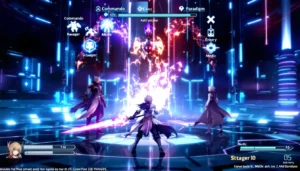
Later entries added layers of complexity. Final Fantasy X’s Conditional Turn-Based System lets you see exactly who’s acting next, turning battles into puzzles where you strategize based on turn order. Final Fantasy XIII’s system feels almost action-oriented even though being turn-based, it’s about chaining attacks and managing stagger mechanics. These aren’t just cosmetic changes: they fundamentally alter how you approach combat.
The Job System (most prominently featured in FF V and FF III) remains one of the series’ most engaging mechanics. Rather than fixed character classes, players swap between specialized roles, Knight, Black Mage, Ranger, Dragoon, each with unique abilities that can be mixed and matched across characters. It’s engaging strategically and provides incredible replay value since you can approach content in dozens of different ways.
Real-Time And Hybrid Battle Systems
Modern entries have increasingly embraced real-time action. Final Fantasy XVI uses a character action system more in line with Devil May Cry, letting players control protagonist Clive directly with dodge rolls, blocks, and ability combos. It’s satisfying, cinematic, and appeals to players who find traditional turn-based combat slow.
Final Fantasy XV sits somewhere between, it’s action-heavy but with strategic elements like ability management and party commands. You’re controlling Noctis in real-time, warping around enemies, summoning powerful Eidolons (summons), and managing health and MP resources.
Final Fantasy XIV uses a real-time action combat system from an MMORPG perspective, your character auto-attacks while you manage ability rotations and cooldowns. Each job (class) has a distinct rotation and playstyle. DPS jobs focus on maintaining high damage output, tanks manage aggro and mitigation, and healers keep everyone alive. Mastering your job’s rotation is critical for endgame content.
The beauty of this evolution is that there’s no “wrong” combat system anymore. Hardcore enthusiasts debate which feels best, but each serves its narrative and design intent. Final Fantasy 14 Aether Currents: Unlocking Secrets for Epic Exploration introduces environmental traversal that complements the real-time combat design, showing how modern systems integrate multiple mechanics.
Character Development And Storytelling
Iconic Characters That Defined The Series
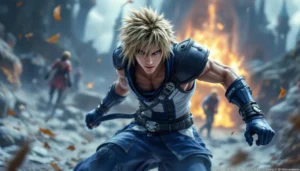
Final Fantasy’s greatest strength isn’t graphics or combat systems, it’s characters you genuinely care about. Cloud Strife from FF VII is the mopey, spikey-haired swordsman who became gaming’s most recognizable protagonist. Aerith redefined what it means for a character to matter in narrative. Tifa proved that strong female characters could be complex and layered. These aren’t just vessels for player input: they’re people with conflicting motivations, trauma, and growth arcs.
Other unforgettable entries include Tidus (the controversial but eventually complex lead of FF X), Lightning (FF XIII’s stoic warrior princess who fans either adore or can’t stand), and Clive Rosfield (FF XVI’s protagonist whose journey from privilege to desperation anchors the entire game). Even supporting characters like Sephiroth (arguably gaming’s most iconic villain) and Kefka (FF VI’s unhinged, irredeemable antagonist) have shaped how we think about game narratives.
Narrative Themes And World-Building
Final Fantasy games tackle mature themes: environmental destruction (FF VII), mortality and accepting death (FF X), identity and self-determination (FF XIII), war and its consequences (FF XIV), and personal growth through loss (FF XVI). These aren’t side plots, they’re the emotional core of the experience.
World-building in Final Fantasy is meticulous. Midgar in FF VII feels like a real city with geography, history, and politics. Spira in FF X has its own religion, culture, and existential threat that shapes how characters think and act. Eorzea, the world of FF XIV, has become so rich through expansions that players spend thousands of hours exploring it, and new players are still discovering environmental lore and hidden narrative elements.
The series also excels at interconnected storytelling. Characters meet multiple times before becoming essential to the plot. Relationships develop naturally rather than through exposition dumps. When major story beats hit, they land emotionally because you’ve invested time in these people. Final Fantasy 14 Hrothgar: exemplifies this approach, a race with deep cultural lore that fans have spent years piecing together through questlines, side quests, and environmental details.
Recent releases like FF XVI showcase narrative maturity that matches prestige TV. Characters make morally ambiguous choices, alliances shift unpredictably, and endings aren’t always triumphant. This willingness to embrace complexity over formulaic heroics is why Final Fantasy remains relevant across generations.
Final Fantasy On Different Platforms
Console Exclusives And Cross-Platform Releases
Final Fantasy’s platform strategy has evolved dramatically. Early entries were Nintendo exclusive (FF I-III on NES, IV-VI on SNES). The franchise shifted to PlayStation starting with FF VII and remained there for over a decade. Today, Square Enix pursues a more open approach:
PlayStation remains the flagship platform. FF XVI launched as a PS5 exclusive with a planned PC release. The Final Fantasy VII Remake trilogy is exclusively on PlayStation (though rumors suggest eventual multi-platform releases). This exclusivity arrangement has historically lasted 2-3 years before expanding.
Xbox and PC are increasingly getting love. Final Fantasy XIV runs beautifully on both platforms. FF XV is available on Xbox. Final Fantasy 14 Xbox offers the full experience on Microsoft’s hardware. Many classic titles have been ported to PC, making them more accessible to emulation communities and modern gaming rigs.
Nintendo Switch has become surprisingly strong. Final Fantasy X/X-2, IX, VII and VIII (as ports), and XII are available on Switch. The portability adds genuine value, though graphical fidelity takes a hit compared to other platforms. Tactical-focused spin-offs like Final Fantasy Tactics and Fire Emblem have shown that turn-based strategy works brilliantly in handheld form.
Mobile And Handheld Adventures
Mobile gaming hasn’t been kind to Final Fantasy historically. “Final Fantasy All The Bravest” was criticized as cash-grab mobile nonsense, and many mobile entries feel like cynical monetization exercises. But, some legitimate standouts exist:
Final Fantasy XIV Mobile is in development and promises to bring the MMORPG experience to phones with controller support and cross-platform progression.
Dissidia Final Fantasy Opera Omnia is a surprisingly deep action game featuring dozens of Final Fantasy characters. It’s free-to-play but not aggressively pay-to-win compared to other mobile entries.
Final Fantasy Brave Exvius offers turn-based tactical combat with a significant story component and genuine depth for those willing to engage with it.
The handheld market saw more quality. Final Fantasy Type-0, Crisis Core: Final Fantasy VII, and the Dissidia fighting games on PSP were legitimate standouts. Currently, Final Fantasy VII Crisis Core has been remastered for PS5 and other platforms, proving that even portable entries deserve modern treatment.
The reality is that mobile Final Fantasy games serve a purpose, they’re side experiences for existing fans or lite entry points. Don’t expect them to replace mainline entries, but for what they are, they offer more value than you’d expect from free-to-play games in 2026.
Tips And Strategies For New Adventures
Getting Started: Beginner Recommendations
Entering a Final Fantasy game for the first time can feel overwhelming, especially older entries with less intuitive UI design. Here’s how to approach it:
Embrace the story first, optimization second. Final Fantasy games reward emotional investment. You don’t need a perfectly optimized party composition to enjoy the narrative. Play on normal difficulty, absorb the story, and come back for harder playthroughs if you want challenge.
Don’t stress about character builds early. In turn-based entries, experimenting with different job classes or equipment is part of the fun. You can almost always respec or change strategies midgame. Most Final Fantasy games are designed with flexibility in mind, there’s no single “correct” way to build your party.
Save frequently and explore thoroughly. Older games had fewer quest markers and expected more player exploration. Talk to NPCs multiple times (dialogue often changes), explore every room, and check behind areas that look empty. Many optional bosses, items, and story details reward curiosity.
Learn the UI, then customize it. Modern entries like FF XVI and FF XIV have extensive control remapping and menu customization. Spend 10 minutes tailoring the interface to your playstyle. It pays dividends across 50+ hour campaigns.
Upgrade equipment incrementally. You don’t need the “best” gear available at every step. Equip new armor when you find it, upgrade weapons as you can afford them, and don’t hoard resources obsessively. Final Fantasy games frontload progression generously.
Advanced Tactics For Endgame Content
Once you’ve cleared the story, endgame content demands strategy:
Understand elemental weaknesses and resistances. Most Final Fantasy bosses can be damaged using specific elements more effectively than others. Learning weakness patterns lets you focus your resource management, use Fire spells on Ice-weak enemies, save resources by exploiting vulnerabilities rather than brute-forcing damage.
Manage MP and ability resources. Especially in turn-based games, runs fail when you run out of healing or damage resources. Plan your turns around ability costs. Build parties with mixed resource types so you’re not fully dependent on magic when facing an enemy resistant to magic damage.
Stack buffs and debuffs strategically. Advanced players aren’t just dealing damage, they’re stacking ATK/DEF buffs, applying status conditions that weaken enemies, and timing powerful ability chains with maximum effectiveness. A party of four buffed and debuffed characters can out-damage six unbuffed ones.
For FF XIV specifically: Learn your job’s optimal rotation before stepping into raid content. Watch guides on Twinfinite or similar sites to understand mechanic sequences. Join a Free Company (guild) and run practice raids. Mechanics-heavy content kills you not from damage but from positioning mistakes and mechanic failures.
Respect the difficulty spike. Final Fantasy games often feature optional superbosses that will humiliate you. Emeriss, Ruby Weapon, Ultima Weapon, and Ozma aren’t meant for first-time encounters. Come back with endgame gear, higher levels, and optimized strategies. Some of gaming’s greatest accomplishments come from finally defeating a boss that’s kicked your teeth in a dozen times.
The meta shifts constantly in ongoing games like FF XIV. Check patch notes and community resources to stay current with balance changes that might affect your strategies.
The Future Of Final Fantasy
Final Fantasy’s future is brighter than it’s been in years. Here’s what’s on the horizon:
The Final Fantasy VII Remake project continues. Part 3 is in development, and while details are sparse, the reception to Parts 1 and 2 suggests Remake could become its own masterpiece. Expect expanded storytelling, additional party members, and continued investment in the Remake’s vision of the world.
Final Fantasy XV received DLC expansions and a mobile game, but the base experience remains active and worth playing. The world of Eos has fascinating lore that exists across multiple media.
Final Fantasy XIV shows no signs of slowing. The MMORPG’s player base has actually grown post-Endwalker expansion, with patch 7.0 (Dawntrail) and subsequent updates expanding the story beyond the multi-expansion Hydaelyn/Zodiark arc. The community continues to thrive, and raid content remains technically impressive and mechanically challenging.
Spin-off games continue flourishing. Final Fantasy VII Ever Crisis offers a new angle on the FF VII universe, Final Fantasy XVI: The Rising Tide expansion adds new content, and various mobile spin-offs provide side content for dedicated players.
Beyond what’s announced, Square Enix has shown willingness to revisit beloved classics through remakes and remasters. Every classic Final Fantasy seems to be getting some form of modernization, whether it’s a full remake, remaster, or ported version. Gematsu and Siliconera regularly cover Square Enix announcements, so staying informed on upcoming releases is easier than ever.
The franchise isn’t resting on nostalgia either. FF XVI proved that new mainline entries can still be ambitious and successful. Future numbered entries will likely continue experimenting with mechanics and narrative structures, keeping the series fresh for incoming generations of players while respecting what made earlier entries special. Final Fantasy XIV Archives – Narutohits covers ongoing developments if you want to stay current on MMORPG-specific news.
Conclusion
Final Fantasy Adventure represents four decades of innovation, storytelling excellence, and mechanical evolution in gaming. From humble 8-bit origins to the PS5 powerhouses of 2026, the franchise has proven its ability to adapt while maintaining the emotional core that players connect with. Whether you’re a newcomer drawn to the latest iteration or a veteran replaying classics, there’s never been a better time to experience what Final Fantasy offers.
The series teaches us that RPGs are more than spreadsheets and numbers, they’re vehicles for emotional experiences, complex narratives, and worlds worth saving. Each entry brings something unique to the table, whether it’s turn-based tactical depth, real-time action excitement, or the collaborative community experience of an MMORPG.
Pick an entry that appeals to you, clear your schedule, and prepare yourself for the journey ahead. Final Fantasy adventure awaits, and whether it’s your first or fortieth, the series has crafted something extraordinary for everyone to discover.