Table of Contents
ToggleFinal Fantasy 16 delivered one of the most character-driven narratives in the franchise’s history, and the depth of its cast is a major reason why. From Clive Rosfield’s descent into the darkness of power to Jill’s quiet resilience, every character serves a purpose in shaping the world of Valisthea. Whether you’re a campaign veteran or just starting your journey, understanding these heroes, villains, and Dominants will deepen your appreciation for one of PlayStation 5’s standout JRPGs. This guide breaks down the most iconic Final Fantasy 16 characters, their roles in the story, and what makes them unforgettable.
Key Takeaways
- Final Fantasy 16 characters like Clive Rosfield and Jill Warrick are defined by complex, non-archetypal design that avoids traditional JRPG tropes and prioritizes genuine character depth.
- The Dominant system—where characters wield Eikon power—serves as a central metaphor for inherited responsibility and how power corrupts, liberates, or destroys individuals differently.
- The Holy Empire’s rulers embody morally complex antagonists who justify tyranny through ideology rather than cartoonish evil, making the conflict about competing ideologies rather than simple good versus evil.
- Clive’s narrative arc transforms him from a powerless, rejected boy into a world-changing figure, yet the journey remains messy and authentic with genuine moral questioning throughout.
- Final Fantasy 16’s supporting cast and minor NPCs contribute meaningful world-building and emotional stakes, creating a living narrative where relationships—romantic, familial, and platonic—all matter equally.
Main Protagonists and Central Characters
Clive Rosfield: The Reluctant Hero
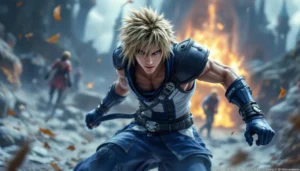
Clive is the beating heart of Final Fantasy 16’s narrative, and he’s deliberately designed as the opposite of a traditional hero. He doesn’t want power, it’s thrust upon him. Born as the firstborn son of the Archduke of Rosaria, Clive’s childhood is shattered when his younger brother Joshua inherits the Phoenix Eikon instead of him. This rejection sets the tone for decades of self-doubt and rage that defines his character arc.
Throughout the game, Clive evolves from a powerless bystander into the Dominant of Ifrit, one of the most devastating Eikons in the game. His progression isn’t about becoming stronger for glory, it’s about survival and protecting those he loves. The scar across his face serves as a constant reminder of his past trauma, marking him visually as a character shaped by loss. By the later chapters, Clive’s willingness to sacrifice everything for Valisthea shows genuine character depth rather than generic hero worship.
Jill Warrick: A Character Study
Jill is Clive’s childhood friend and one of the few constants in his fractured life. What makes her remarkable is that she’s not a love interest waiting to be saved, she’s an active participant in the story with her own agency and struggles. Jill carries the weight of being a Dominant herself, the bearer of Shiva, and her journey involves grappling with what that power means for her identity.
Her relationship with Clive drives much of the emotional core of the narrative. They share memories, trauma, and eventually a vision for rebuilding Valisthea. Jill’s character arc explores themes of control, choice, and the cost of power in ways that feel earned rather than melodramatic. She proves that supporting characters can be just as complex as the protagonist, especially when given genuine development across a full campaign.
Cid: The Mysterious Ally
Cid emerges as one of the game’s most compelling figures, a man whose true identity and motivations remain shrouded in mystery for much of the story. He operates in the shadows, seemingly aiding Clive’s cause, but his endgame is deliberately ambiguous for much of the narrative. Without spoiling his role, Cid represents the theme of rebellion against an unjust system.
What makes Cid work as a character is that he never feels like a convenient plot device. His actions have weight and consequence, and his relationships with other characters reveal layers of complexity. By the late game, Cid’s presence looms larger than his physical appearances, making him one of the most talked-about characters in the Final Fantasy 16 community since release.
The Dominants: Wielders of Eikon Power
Understanding the Dominant System
Dominants are humans who carry the power of Eikons, summons that command elemental and primal forces. This system is central to Final Fantasy 16’s world-building and character dynamics. Each Dominant is born with the ability to summon their respective Eikon, though the mechanics of how this happens vary. Not all Dominants are created equal: some embrace their power while others reject it entirely.
The Dominant system also serves as a metaphor for inherited responsibility and societal pressure. A character born as a Dominant has their entire life predetermined by circumstance, much like Clive and Jill. The tension between personal agency and these inherited roles creates drama that permeates the entire narrative.
Notable Dominants Throughout the Story
Several Dominants play critical roles beyond Clive and Jill. Joshua Rosfield, Clive’s younger brother, is the original bearer of the Phoenix Eikon and serves as a tragic foil to Clive’s journey. The contrast between their paths, one marked by acceptance, the other by rejection, drives much of the emotional weight in the story.
Other Dominants represent different facets of power and control. Each Eikon corresponds to a different Dominant, and meeting these characters reveals how differently individuals interpret and wield their abilities. Some seek to dominate others, while some desperately wish to be free of their power altogether. This variety ensures that the Dominant system doesn’t feel like a one-note concept but rather an exploration of how power corrupts, liberates, or destroys depending on the person wielding it.
When exploring these characters deeper, resources like Game8 offer detailed tier lists and ability breakdowns that help contextualize each Dominant’s role in combat and story.
The Holy Empire and Its Rulers
The Holy Empire of Sanbreque stands as the primary antagonistic force throughout much of Final Fantasy 16, and its rulers embody the corruption of absolute authority. The Empire isn’t presented as cartoonishly evil: rather, it’s a system built on ideology and control that individual characters help perpetuate.
Emperor Cid and his inner circle believe they’re doing what’s necessary to maintain order and stability. This justification for tyranny makes them more dangerous than one-dimensional villains. The Empire’s leadership uses ideology to mask their hunger for power, making them formidable opponents to Clive because they genuinely believe their cause is righteous.
The political structure of the Empire influences how characters within it operate. Some serve because they believe in the cause. Others are trapped by circumstance or family obligation. This complexity extends to even minor characters in the Empire’s hierarchy, suggesting that Final Fantasy 16’s world-building treats morality as situational rather than absolute.
The conflict between Clive’s rebellion and the Empire forms the backbone of the mid-game narrative. Understanding the Empire’s motivations, not just their actions, allows players to appreciate why the story isn’t simply about good versus evil but about conflicting ideologies and the cost of revolution.
Ultima and the Primary Antagonists
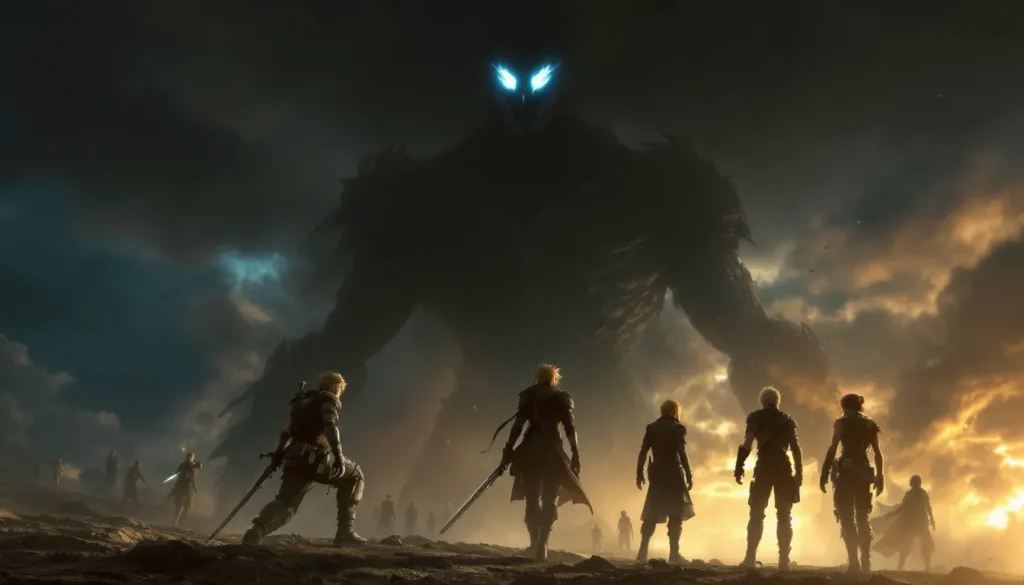
Ultima represents the final evolution of the game’s thematic concerns about power, control, and destiny. This antagonist embodies forces that exist beyond human comprehension and morality. The way Final Fantasy 16 handles its primary antagonist separates it from typical JRPG villain arcs, Ultima isn’t defeated through emotional speeches or the power of friendship alone.
The buildup to confronting Ultima creates a sense of existential dread. Throughout the campaign, players realize that the political conflicts and personal traumas Clive experiences are small pieces of a much larger cosmic puzzle. This revelation recontextualizes earlier story beats and makes previous conflicts feel simultaneously trivial and incredibly significant.
Final Fantasy 16’s handling of its antagonistic forces emphasizes that some threats exist beyond conventional narrative resolution. The game respects player intelligence enough to suggest that not every problem has a clean answer. This approach has divided the community, but it undeniably makes the antagonistic forces more memorable and discussion-worthy than if they followed predictable villain arcs.
Resources like RPG Site have extensively covered the late-game story beats and antagonistic reveals that make this portion of the narrative so compelling and divisive within the fanbase.
Supporting Cast and Memorable NPCs
Final Fantasy 16’s supporting cast elevates the narrative through characters who might seem peripheral but carry significant emotional weight. These aren’t throwaway NPCs: they’re people with their own stories, struggles, and growth arcs that intersect with Clive’s journey.
Midgardsormr, a dragon-like entity, offers cryptic guidance throughout the campaign. His relationship with Clive evolves as the protagonist gains understanding of the world’s true nature. Similarly, the Hideaway crew, Clive’s found family, develops genuine relationships that feel earned rather than manufactured. Watching these characters adapt and grow as the story progresses creates investment in their fates.
The supporting cast also includes antagonistic forces who aren’t necessarily evil but opposing. Characters like Benedikta Harman serve as enemies with understandable motivations. When you learn her backstory and reasoning, she becomes tragic rather than hateable, even as she opposes Clive directly.
Minor characters also contribute to world-building and emotional stakes. Innkeepers, merchants, and quest NPCs all have dialogue that reveals their experiences under Empire rule or their hopes for a free Valisthea. This attention to detail creates a living world rather than just a backdrop for the main story. The Final Fantasy 14 Class tier list on Narutohits demonstrates how diverse character types can be balanced and valued within a Final Fantasy experience, much like how Final Fantasy 16’s supporting cast each brings unique value to the narrative.
Character Development and Story Arcs
Romance and Relationship Dynamics
Final Fantasy 16 handles romance with restraint, prioritizing character development over traditional love-interest tropes. Clive’s relationship with Jill never devolves into a love triangle or unnecessary romantic drama. Instead, their connection feels genuine because it’s rooted in shared trauma and mutual understanding rather than convenience.
The game explores intimacy on deeper levels than just romantic subplots. Clive’s bonds with his companions, whether familial, platonic, or romantic, all matter equally to the narrative. This approach respects that human connection takes many forms and that not every meaningful relationship needs to be romantic to be significant.
Romantic moments, when they occur, carry weight because they’ve been earned through hours of shared experience. The game trusts players to understand subtext without spelling out every emotional beat, which is a refreshing departure from some JRPG conventions that explain character feelings ad nauseam.
Character Arcs and Transformations
Clive’s transformation across the 35+ hour campaign is nothing short of remarkable. He begins as a powerless boy defined by rejection and ends as a man capable of reshaping the world, yet still grappling with the moral implications of his choices. This arc isn’t linear: Clive makes mistakes, loses battles, and questions his path. This messiness feels authentic.
Jill’s arc mirrors and complements Clive’s. Where Clive seeks power, Jill seeks freedom from power. Their character arcs don’t intersect in predictable ways: sometimes they’re aligned, sometimes they’re in conflict. This dynamic makes their relationship feel like a genuine partnership between two people rather than a main character and their supporting partner.
Secondary characters also experience meaningful transformations. Joshua’s journey from a child consumed by power to a man reckoning with its consequences is tragic and complex. Characters who begin as allies may become obstacles, and vice versa. These shifts keep the narrative engaging because character loyalties and relationships feel like they’re genuinely at stake.
The way Final Fantasy 14 handles character development across its expansions shows how long-form narratives in Final Fantasy games prioritize depth, a tradition that Final Fantasy 16 carries forward brilliantly. Both games understand that character arcs must challenge and change protagonists rather than simply reveal them.
Conclusion
Final Fantasy 16’s character roster stands as one of the franchise’s finest achievements. From Clive’s reluctant heroism to Jill’s quiet strength, from the complex politics of the Holy Empire to the existential threat posed by Ultima, every character serves a purpose in crafting a narrative that respects player intelligence and emotional investment.
What makes these characters resonate is that they’re not archetypal or one-dimensional. They make mistakes, they change their minds, and they face impossible choices without guaranteed happy endings. This approach to character writing elevates Final Fantasy 16 beyond typical JRPG fare into something genuinely memorable.
If you’re planning to jump into Final Fantasy 16 or currently playing through it, paying attention to character moments alongside combat encounters will significantly enhance your experience. The game’s story is built on the foundation of its characters, and they deliver one of gaming’s best narratives. Understanding their motivations, relationships, and arcs transforms Final Fantasy 16 from an excellent action JRPG into an unforgettable experience that explores what it means to inherit power, resist corruption, and build something better from the ashes of the old world.